

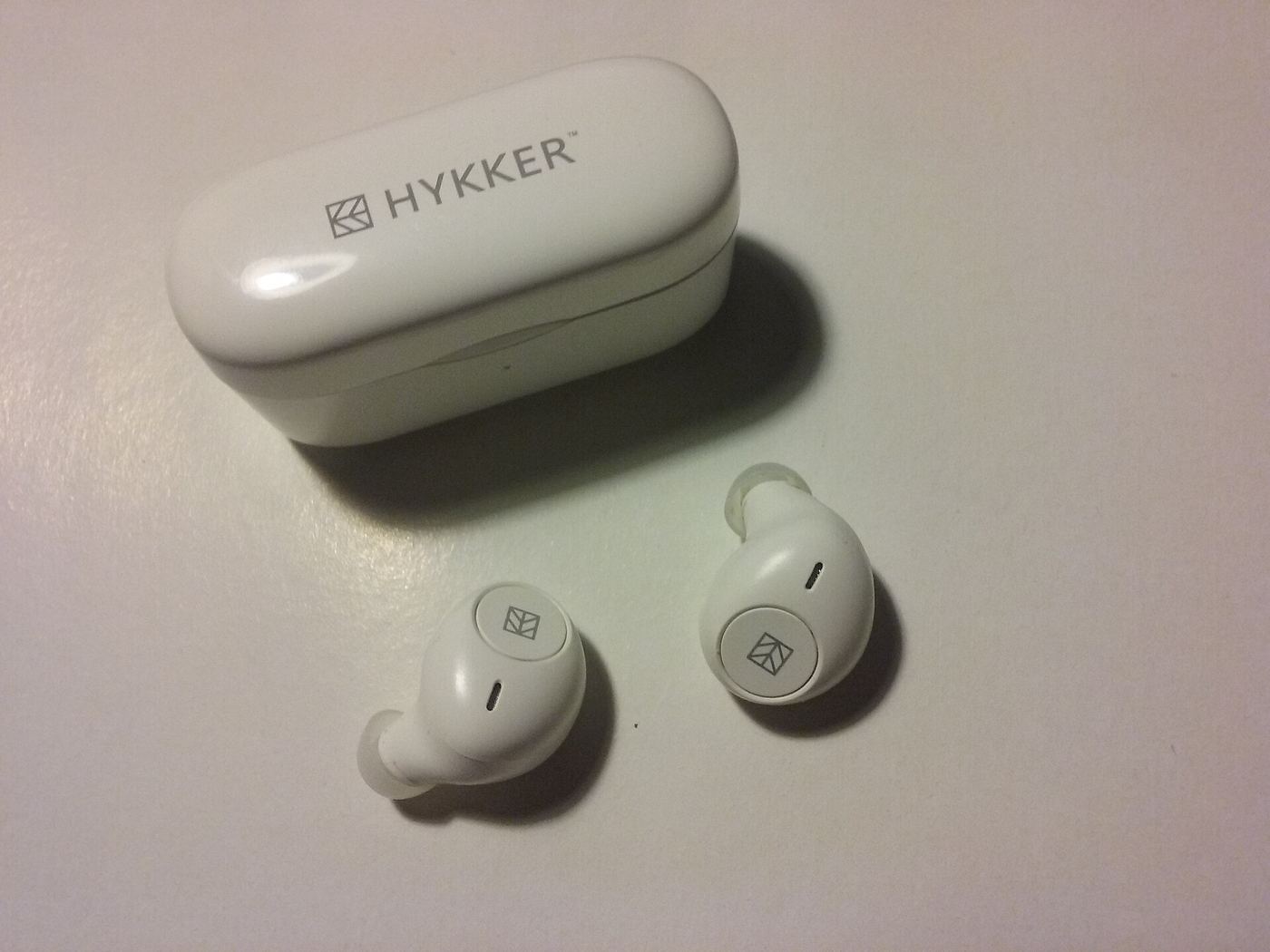
For travellers and migrants, the language barrier has always been one of the hardest parts of arriving somewhere new. A new generation of wireless earbuds is trying to remove it in real time. Using on-device speech recognition and cloud-based translation, earbuds from companies including Google, Samsung and several startups can now listen to someone speaking another language and play back a translation in the wearer’s ear within a second or two, while a phone shows the written text. Some models also translate the wearer’s own speech back for the other person, turning a pair of earbuds and a phone into a two-way conversation tool. Accuracy has improved sharply as AI translation models have matured, and support now covers dozens of languages, including many that were poorly served by earlier tools. The feature works with a phone app that displays the conversation as text, and some models can even translate without an internet connection, using small AI models stored directly on the earbuds themselves.
What the Evidence Shows
The technology is not perfect, and anyone who has used it knows its limits. Slang, accents, background noise and rapid speech can still confuse it, and the slight delay makes natural conversation feel stilted compared with speaking fluently. Privacy is another concern, since conversations are often processed on remote servers, and some users worry about being recorded without realising it. Even so, the practical uses are growing fast: tourists navigating a market, doctors speaking with patients, aid workers in a crisis zone and students in a multilingual classroom. Language learning apps are also adding the feature as a practice tool rather than a replacement for study. The earbuds will not make everyone multilingual overnight, but they are turning the science-fiction idea of a universal translator into something you can buy off the shelf. Manufacturers are also adding the feature to hearing aids and headphones, and researchers say future versions could translate tone and emotion as well as words, making conversations feel far more natural. Reporting and analysis from sources such as Wired track the same developments, and specialists following live translation earbuds say the direction is now consistent across independent lines of evidence.
The Wider Context
The wider context is an industry learning to ship capability and restraint together. Products built around live translation earbuds now launch with safety evaluations, usage data and rollback plans as standard, because enterprise buyers and regulators ask for them in the first meeting. Companies that treated those questions as friction are discovering they have become the purchase criteria.
What Happens Next
What happens next for live translation earbuds depends less on another breakthrough than on the unglamorous work of reliability, pricing and support. The buyers evaluating it now are not enthusiasts; they are operators with budgets and auditors, and their checklists will decide the timeline. On the evidence of the current pilots, the technology has earned the right to be judged by them. You can follow related developments in our coverage of technology.
None of this will be settled by a single announcement, study or product launch. The pattern to watch is accumulation: independent confirmations, honest reporting of failures and steady improvement in the underlying numbers. Readers who follow those signals, rather than the loudest claim of the week, will understand this subject better than most of the commentary surrounding it suggests is possible.