

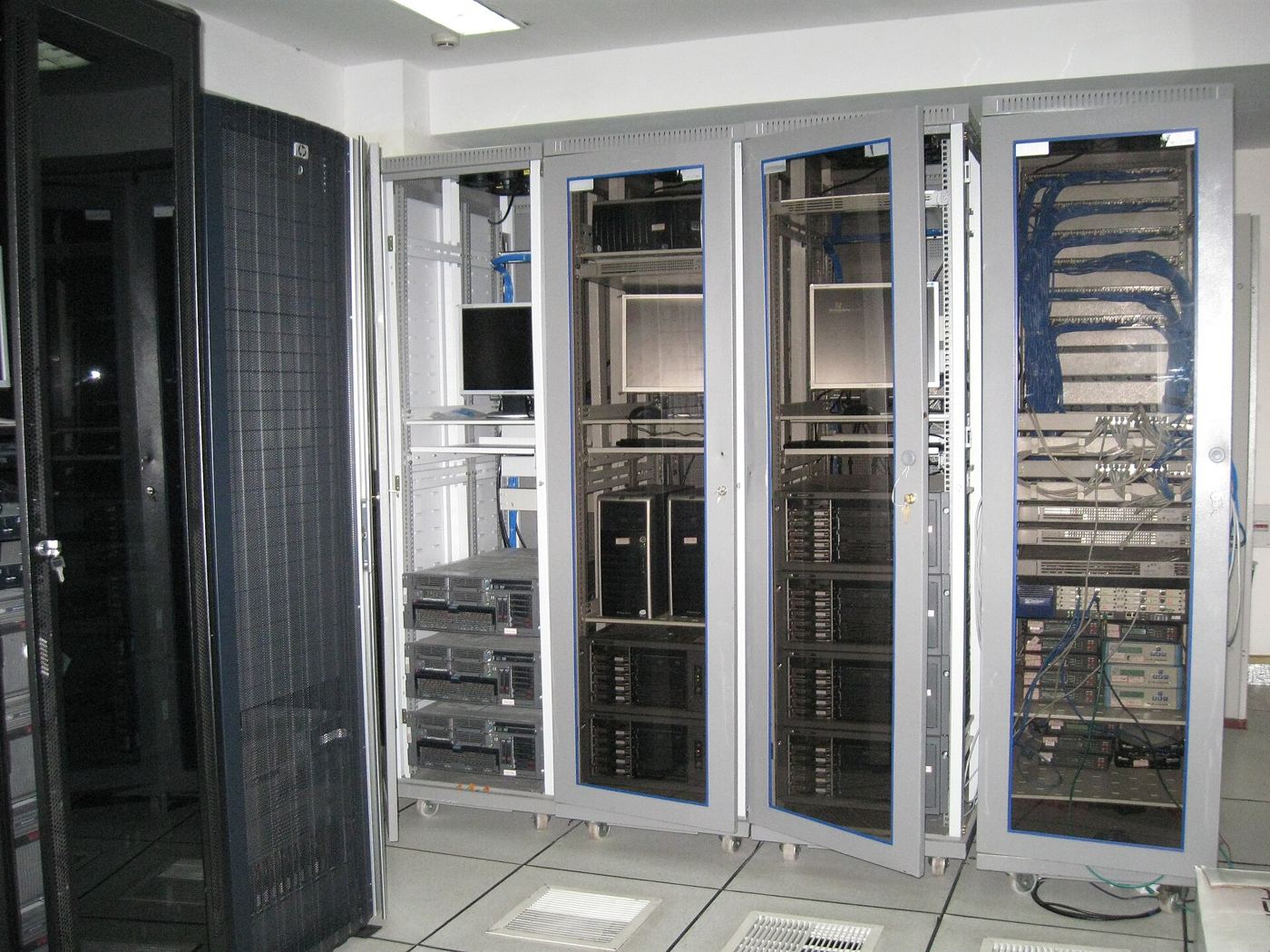
LMSYS Org announced the SGLang Consortium on 12 November, bringing together NVIDIA, AMD, Intel, Google, Meta, Cloudflare, Modal and RadixArk around open-source software for running large AI models. SGLang is a framework for AI inference, the stage where a trained model actually answers questions and generates text, images or code. Inference is where most of the cost of running AI now sits, because every chatbot reply, search result and coding suggestion runs through it. Making that stage faster and cheaper matters to every company deploying AI at scale. The consortium aims to keep the software open, so improvements benefit the whole industry rather than a single vendor. The framework is already used by researchers and companies to serve models more efficiently, squeezing more answers from the same hardware and cutting response times for users.
What the Evidence Shows
The unusual breadth of the membership is the story: fierce competitors in chips and cloud computing are cooperating on shared infrastructure. Open standards let developers move models between hardware from different makers without rewriting their software, which weakens lock-in and gives smaller labs access to the same efficiency gains as the giants. For chipmakers, supporting the framework is also a way to make their own hardware more attractive. If the consortium succeeds, AI inference should become faster, cheaper and more portable, and the benefits should reach far beyond the companies that signed the announcement. Open infrastructure also helps regulators and researchers audit AI systems, because standard tools make it easier to test models, compare results and reproduce experiments independently, rather than relying on each company’s private claims. Reporting and analysis from sources such as Wired track the same developments, and specialists following the open inference software consortium uniting chip giants say the direction is now consistent across independent lines of evidence.
The Wider Context
The wider context is an industry learning to ship capability and restraint together. Products built around the open inference software consortium uniting chip giants now launch with safety evaluations, usage data and rollback plans as standard, because enterprise buyers and regulators ask for them in the first meeting. Companies that treated those questions as friction are discovering they have become the purchase criteria.
What Happens Next
What happens next for the open inference software consortium uniting chip giants depends less on another breakthrough than on the unglamorous work of reliability, pricing and support. The buyers evaluating it now are not enthusiasts; they are operators with budgets and auditors, and their checklists will decide the timeline. On the evidence of the current pilots, the technology has earned the right to be judged by them. You can follow related developments in our coverage of technology.
None of this will be settled by a single announcement, study or product launch. The pattern to watch is accumulation: independent confirmations, honest reporting of failures and steady improvement in the underlying numbers. Readers who follow those signals, rather than the loudest claim of the week, will understand this subject better than most of the commentary surrounding it suggests is possible.