

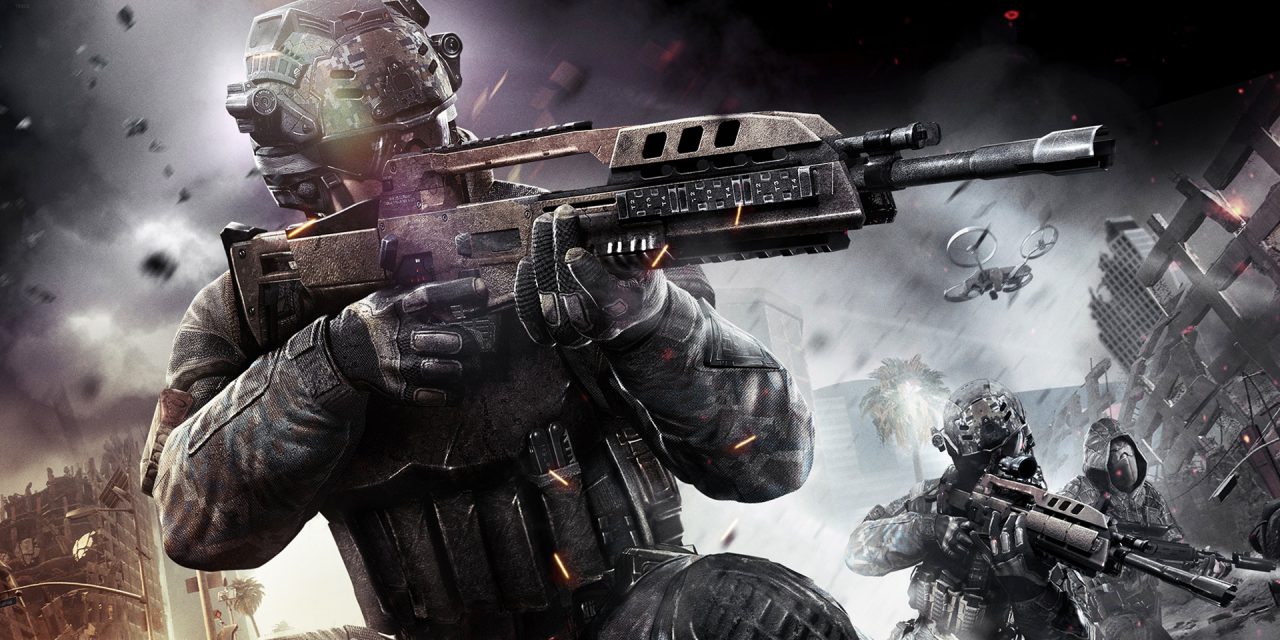
First-Person Shooter (FPS) games have become a dominant force in both casual and competitive gaming. Titles like Call of Duty, Valorant, and Overwatch offer players fast-paced, immersive gameplay where precision, strategy, and reflexes are key. With the rise of esports and online gaming communities, FPS games have become a global phenomenon, attracting millions of players who enjoy the thrill of outshooting their opponents.
Improving your FPS skills isn’t just about winning—it’s about enhancing your overall gaming experience. Whether you’re aiming to climb the ranks in competitive modes, improve your reaction time, or simply enjoy the game more, sharpening your skills can make a significant difference. The more you improve, the more rewarding and satisfying each match becomes, turning frustrating moments into opportunities for growth.
In this article, we’ll cover essential strategies to Improve Gaming Skills for FPS Games. From understanding game mechanics and optimizing your settings to mastering aiming techniques and improving game sense, we’ll provide you with actionable tips. By following these steps, you’ll be able to enhance your gameplay, communicate effectively with teammates, and build quicker reflexes, all while enjoying the process of getting better.
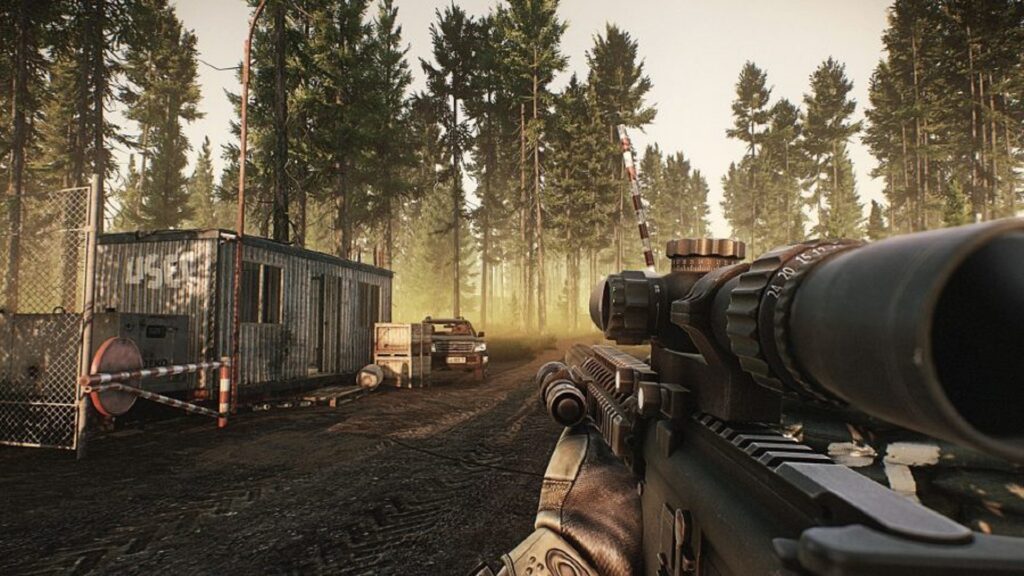
8 Ways to Improve Gaming Skills for FPS Games
Understanding the Basics of FPS Games
FPS games are built around core mechanics like aiming, shooting, movement, and map awareness. Aiming is at the heart of gameplay; it involves using a crosshair to target enemies, which requires both precision and reaction time. Shooting mechanics vary, but the goal is always to land shots effectively, whether that involves quick firing or controlled bursts.
Movement in FPS games is also crucial; it involves not only navigating the map but also using techniques like strafing, crouching, and jumping to avoid enemy fire. Mastering movement allows players to position themselves strategically and gain the upper hand in firefights.
Map awareness plays an equally important role in FPS games, as understanding the layout of a map helps players anticipate enemy movements, secure chokepoints, and utilize cover. Players need to know common hiding spots, locations for objectives, and pathways enemies may take, which enhances their ability to outmaneuver opponents.
FPS games can be broadly categorized into tactical and fast-paced shooters. Tactical shooters, like Counter-Strike: Global Offensive and Rainbow Six Siege, focus on slower, more strategic gameplay. Players must plan their movements, communicate with teammates, and be cautious of their actions. These games often reward precision and careful planning, with one-shot kills and intense gunfights.
On the other hand, fast-paced shooters such as Call of Duty and Overwatch emphasize quick reactions and chaotic battles. Players in these games move rapidly across the map, and the emphasis is often on speed, reflexes, and teamwork, with players respawning frequently and utilizing powerful, often game-changing abilities or weapons.
Setting Up for Success: Optimal Game Settings
Having the right display settings is crucial for smooth FPS gameplay. The ideal screen resolution typically ranges from 1080p (Full HD) to 1440p or 4K, depending on your hardware capabilities. A higher resolution ensures clearer visuals, which helps with spotting enemies in the distance.
Additionally, refresh rate plays a critical role—aim for 144Hz or 240Hz if you want a smoother experience with reduced screen tearing and input lag. Higher refresh rates allow the screen to update more frequently, which is crucial when you need quick reactions. Lower resolutions might increase FPS (frames per second), but they can make the game harder to play visually. Balancing resolution and refresh rate based on your hardware and personal preference is key to creating a stable, fluid gaming experience.
Your mouse sensitivity plays a huge role in your aim precision. DPI (dots per inch) determines how much your crosshair moves when you move the mouse. A lower DPI (e.g., 400-800) allows for finer control and more precise aiming, which is often preferred for FPS games.
The polling rate refers to how often the mouse sends data to the computer—higher polling rates (e.g., 1000Hz) improve responsiveness. Mouse acceleration should generally be disabled as it makes your mouse movement inconsistent and unpredictable. Finding the right balance of DPI and sensitivity allows you to make quick, accurate movements while maintaining control, which is crucial in FPS games where precision is everything.
Mastering Aiming and Accuracy
To improve your aiming accuracy, aim training software like Kovaak’s FPS Aim Trainer or Aim Lab can be incredibly useful. These programs allow you to practice various aiming techniques in a controlled environment, helping you build muscle memory and improve precision. These tools offer customizable training routines targeting specific areas like flick shots, tracking, and reaction speed.
Consistent use of aim trainers can significantly improve your ability to land headshots and make fast, accurate decisions during real-game situations. Many of these trainers also provide feedback on your performance, allowing you to track your progress and identify areas for improvement.
Crosshair placement is a simple but powerful technique that every FPS player should master. The goal is to always keep your crosshair aimed at head level and in locations where enemies are likely to appear. This minimizes the amount of movement needed to adjust your aim when an enemy is spotted.
For example, when peeking a corner, position your crosshair so that it’s already aiming at the most likely spot an enemy will appear. This small adjustment can give you a huge advantage in reaction time and increase your chances of landing a headshot before the enemy has time to react.
Improving Game Sense and Map Knowledge
Understanding the layout of maps is essential for improving your performance in FPS games. Each map has its own unique design, with chokepoints, open spaces, and tactical locations like high ground or hidden corners. Knowing these features allows you to predict enemy movements, plan your positioning, and make better decisions.
For example, in Counter-Strike: Global Offensive, controlling bomb sites requires knowledge of sightlines, common hiding spots, and chokepoints that enemies are likely to pass through. By learning maps inside and out, you can anticipate enemy strategies and use your knowledge to outmaneuver opponents. A good map knowledge base also helps you manage resources (such as ammo or grenades) effectively, reducing mistakes during critical moments of the game.
Good positioning is the foundation of surviving and thriving in FPS games. It involves finding spots where you can effectively engage enemies while minimizing the risk of being exposed to gunfire. For example, in tactical shooters like Rainbow Six Siege, holding angles and controlling entry points is crucial for both offense and defense.
Positioning also involves using the environment to your advantage, such as finding cover behind walls or objects, utilizing high ground to get a better view of the battlefield, and avoiding open spaces where you’re an easy target. Additionally, positioning includes timing your movements: sometimes it’s better to be patient and wait for the right moment to strike rather than rushing into a fight.
Communication and Teamwork
Effective communication is critical in team-based FPS games. Whether you’re playing Overwatch, Valorant, or Rainbow Six Siege, clear and concise communication with teammates can make or break a match. Key information to communicate includes enemy positions, your own status (e.g., “I need a heal” or “I’m down”), and tactical strategies (e.g., “Let’s rush A site” or “Watch mid”).
Using voice chat is often the fastest and most effective method, but if that’s not possible, using the ping system or text chat for callouts and positioning alerts is also helpful. The goal is to ensure everyone on your team has the same information, which makes coordination and strategy execution much easier.
In most team-based FPS games, players can choose from different roles, each with its own specific responsibilities. Common roles include the entry fragger (who leads the charge into areas), support (who assists teammates with healing or utility), sniper (who provides long-range damage), and strategist (who coordinates tactics). Understanding your preferred role and specializing in it allows you to focus on mastering specific aspects of gameplay.
For example, as an entry fragger, you would focus on initiating attacks and clearing rooms, whereas a sniper would focus on holding angles and providing cover from a distance. Specializing in one role helps improve individual performance and ensures smoother teamwork.
Building Quick Reflexes and Reaction Time
To enhance your reflexes in FPS games, regular practice is essential. Reflex training involves focusing on improving how quickly you can respond to a threat or opportunity. Specific exercises like reaction time drills or reaction-based aim training can sharpen your reflexes. Aim trainers, such as Kovaak’s FPS Aim Trainer and Aim Lab, provide various drills that target reflexes by presenting randomized targets for you to quickly snap to and hit.
Another way to improve reflexes is through reaction time games or exercises that challenge you to react as fast as possible, improving both mental and motor reflexes. The faster you can react to an enemy’s movement, the better your chances of winning firefights.
FPS games often put players in high-pressure situations where they must make split-second decisions, such as in 1v1 duels or the final moments of a round. Staying calm during these moments is crucial for maintaining accuracy and focus. Anxiety or panic can hinder your performance, causing missed shots or poor decision-making.
Mental exercises like deep breathing, visualizing success, or maintaining a positive attitude can help reduce stress during intense moments. In addition, taking breaks between matches can help avoid burnout and keep your mind sharp during long gaming sessions, allowing you to remain focused when it matters most.
Practicing Consistently
Consistency is key when it comes to improving in FPS games. A structured daily practice routine helps you develop skills gradually and effectively. Start with warm-up exercises, such as basic aim drills or reflex tests, to get into the right mindset. After that, focus on specific areas where you want to improve, like map knowledge, gunplay, or communication.
Playing a few matches each day and practicing different aspects of gameplay ensures steady improvement. Consider incorporating both solo practice and team-based play into your routine so that you can hone individual skills while also learning to coordinate with teammates.
While practicing is essential, it’s equally important to identify and focus on your weaknesses. Analyze your gameplay to pinpoint areas where you struggle the most. This could be anything from missed shots, poor positioning, or lack of communication. By recognizing your weak points, you can tailor your practice sessions to target those specific areas.
For example, if you have trouble with recoil control, spend extra time in aim training drills or practice with different weapons. Constantly reviewing your performance and adjusting your practice routine allows you to improve faster and more effectively.
Maintaining Mental and Physical Health
FPS games require mental focus and quick decision-making, which can be taxing after long gaming sessions. Avoiding fatigue is crucial for maintaining peak performance. Taking regular breaks during gameplay helps keep your mind fresh and prevents burnout. Studies have shown that taking a 10-15 minute break every hour improves focus and performance.
Additionally, maintaining a healthy balance between gaming and other activities like exercise or socializing can help prevent exhaustion. Overworking your mind with continuous gaming can lead to poor decision-making and frustration, so prioritizing rest is essential for long-term improvement.
Ergonomics are essential for preventing physical strain during long gaming sessions. Maintaining good posture while gaming can help reduce the risk of repetitive strain injuries, back pain, and discomfort. Sit in a chair that supports your back and keep your feet flat on the ground. Ensure your desk and monitor are at the right height so that you’re not craning your neck.
Additionally, pay attention to how you position your hands and wrists while using the keyboard or mouse, as improper hand placement can lead to strain or injury. Simple ergonomic adjustments can make a significant difference in your physical well-being and overall comfort during extended gaming sessions.
Conclusion
Improving your FPS skills is a journey that requires consistent practice, strategic learning, and mental resilience. Whether you’re aiming to climb the ranks in competitive play or simply enhance your enjoyment of the game, sharpening key skills like aiming, map knowledge, and teamwork will take your gameplay to the next level. By understanding the core mechanics of FPS games, fine-tuning your game settings, and adopting effective training routines, you’ll be well on your way to becoming a more skilled and confident player.
Remember, mastery doesn’t happen overnight. It’s about dedicating time to consistently practice, analyze your weaknesses, and focus on both individual skill development and effective team coordination. FPS games are as much about strategy and mental sharpness as they are about fast reflexes and precision aiming. Staying calm under pressure, managing your physical and mental health, and learning from experienced players can also provide invaluable insights into refining your playstyle.
In the end, improving your FPS skills isn’t just about being the best on the leaderboard—it’s about creating a more rewarding, enjoyable gaming experience. So, implement the tips outlined in this guide, and most importantly, have fun as you continue to grow and develop as an FPS player!