

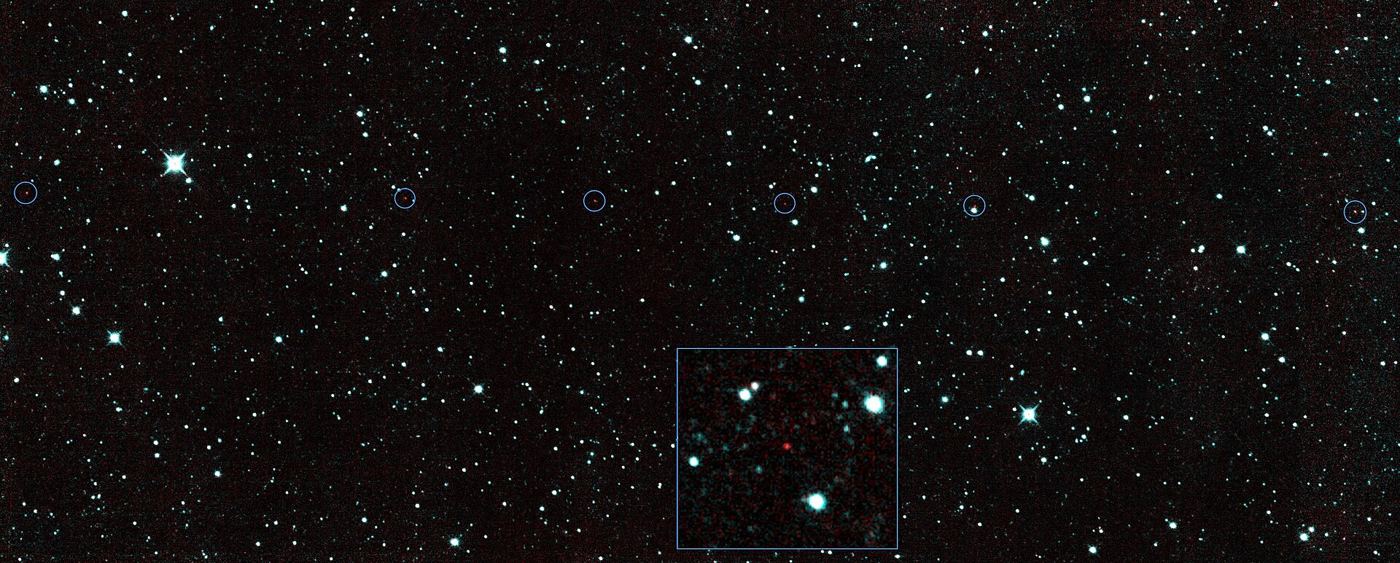
Somewhere above Earth tonight, survey telescopes are scanning the sky for asteroids that nobody has catalogued yet. Most space rocks pass harmlessly, but planetary defence teams work on a simple principle: the earlier a potentially hazardous object is found, the more options humanity has. A discovery triggers careful follow-up observations from observatories around the world, each new measurement narrowing the object’s predicted path. Within days, astronomers can usually say with confidence whether an asteroid deserves continued attention or can be safely removed from the watch list. Regular practice exercises keep this international routine fast, calm and well coordinated. The surveys behind this work have transformed knowledge of the neighbourhood around Earth. Thousands of near-Earth asteroids are now tracked, from large bodies mapped in detail down to far smaller rocks detected only as they pass close by. Each clear night adds a few more to the catalogue, and each addition shrinks the chance of a complete surprise.
What the Evidence Shows
In a typical exercise, participants pretend that a new asteroid might strike Earth years in the future, then work through the decisions that scenario would demand. They test how quickly observations are shared, how uncertainties are explained to officials, and which deflection ideas would be realistic with the warning time available. The scenarios are deliberately demanding, because real discoveries rarely arrive with complete information. Astronomers stress that no known asteroid poses a confirmed threat in the foreseeable future, and that exercises are preparation, not alarm. Like fire drills, their value lies in making a rare emergency feel procedural long before it could ever become real. Public interest spikes whenever a newly found asteroid briefly carries a small impact probability before follow-up observations rule one out. Teams have learned to communicate through that cycle openly, publishing updated odds as the orbit improves rather than waiting for certainty. The pattern is reassuring once understood: an early uncertainty that shrinks as evidence grows. Reporting and analysis from sources such as NASA track the same developments, and specialists following planetary defence say the direction is now consistent across independent lines of evidence.
The Wider Context
Funding bodies are watching planetary defence closely because the work sits at the junction of basic curiosity and practical return. Grant panels increasingly ask for a path from discovery to application, while researchers push back that the most valuable uses of fundamental science are rarely the ones written into the original proposal. The tension is productive when both sides stay honest about timescales.
What Happens Next
The long view on planetary defence is that fields advance by accumulation rather than by single announcements. This result adds a solid, checkable piece to a structure many teams are building, and its authors have shared their data so the piece can be tested from every side. That is how the picture eventually becomes reliable enough to act on. You can follow related developments in our coverage of science.
It is also worth remembering how quickly the picture in this area has changed before. Positions that looked settled a few years ago have been revised as new data arrived, and the same humility is appropriate now. The strongest coverage of this subject, and the most useful advice, tends to come from sources that update their views openly when the facts move, rather than defending an earlier position long after it has stopped fitting the evidence available.