

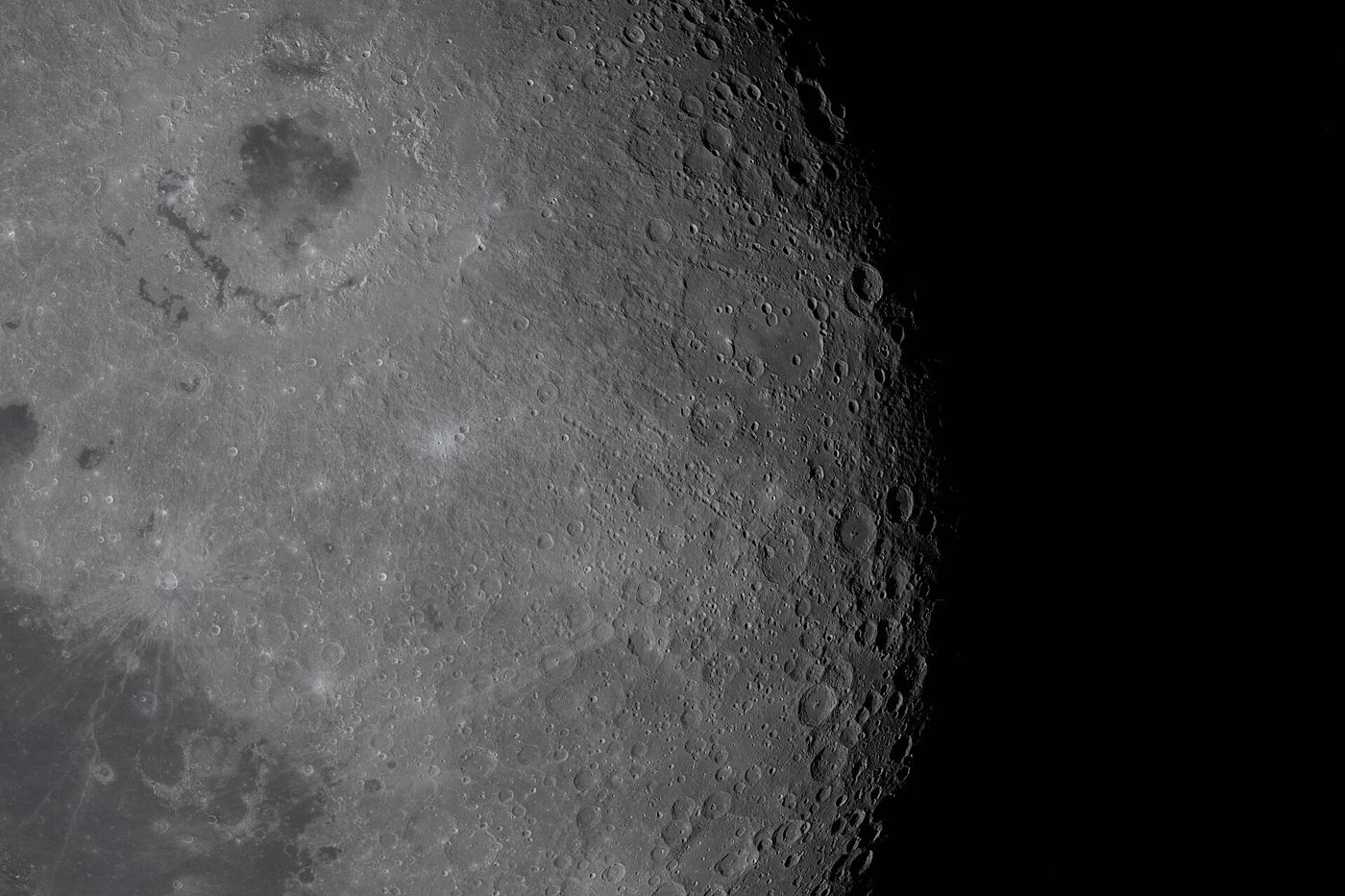
Analysis of rock samples returned from the Moon is rewriting the story of its volcanic history, showing that eruptions continued far longer than scientists once believed. The samples contain basalt, a volcanic rock, with chemical signatures that date the eruptions to a period when the Moon was thought to have already cooled and gone quiet. Researchers say the finding means the Moon’s interior stayed hot enough to produce molten rock for billions of years, longer than models predicted. The work also reveals differences between volcanic regions on the near and far sides of the Moon, suggesting the interior was not uniform. For scientists planning future lunar bases, the results are practical as well as academic, since ancient lava flows and tunnels could offer shelter from radiation and temperature extremes.
What the Evidence Shows
The samples were analysed with modern techniques that were unavailable when the first Moon rocks arrived on Earth, allowing scientists to date individual mineral grains with remarkable precision. Teams are comparing the new results with data from orbiting spacecraft, which map volcanic features across the whole lunar surface. The emerging picture is of a Moon that cooled unevenly, with some regions remaining volcanically active while others froze solid. Future missions aim to sample more volcanic sites, including the far side, where the geology differs sharply. Researchers say each new sample tightens the timeline of lunar history, and helps explain how small rocky worlds lose their heat, a question that also applies to Mercury, Mars and the rocky planets beyond our solar system. Scientists add that the new dates help explain why some lunar regions look younger than others, and give future missions clearer targets for sampling volcanic terrain. Reporting and analysis from sources such as NASA track the same developments, and specialists following the lunar volcanic samples say the direction is now consistent across independent lines of evidence.
The Wider Context
Funding bodies are watching the lunar volcanic samples closely because the work sits at the junction of basic curiosity and practical return. Grant panels increasingly ask for a path from discovery to application, while researchers push back that the most valuable uses of fundamental science are rarely the ones written into the original proposal. The tension is productive when both sides stay honest about timescales.
What Happens Next
The long view on the lunar volcanic samples is that fields advance by accumulation rather than by single announcements. This result adds a solid, checkable piece to a structure many teams are building, and its authors have shared their data so the piece can be tested from every side. That is how the picture eventually becomes reliable enough to act on. You can follow related developments in our coverage of science.
It is also worth remembering how quickly the picture in this area has changed before. Positions that looked settled a few years ago have been revised as new data arrived, and the same humility is appropriate now. The strongest coverage of this subject, and the most useful advice, tends to come from sources that update their views openly when the facts move, rather than defending an earlier position long after it has stopped fitting the evidence available.