

Corner betting in the 2024/25 Bundesliga season rewards anyone who can connect playing style, game state and raw numbers into a coherent picture of how many corners a match is likely to produce. Instead of treating corners as random by-products, you can read which teams systematically push counts higher or lower and then decide whether over or under lines are misaligned with how those games tend to unfold.
Why Corner Patterns in the Bundesliga Are Worth Studying
Bundesliga matches sit in a range where the average corner count is high enough to make lines interesting but not so extreme that every game becomes unpredictable noise. League-wide data across Europe’s top competitions show typical corner totals clustering between roughly nine and just over ten per match, which provides a stable baseline from which deviations up or down become meaningful rather than anecdotal. When specific Bundesliga teams consistently drag their games above or below that band, the cause is usually structural—pressing intensity, wing play, crossing volume or defensive pressure—making those sides good candidates for targeted over/under corner strategies.
How Team Styles Translate into Corner Volumes
Corner counts reflect how often the ball is forced into wide, desperate or blocked situations near goal rather than simply how good an attack is. High-pressing, wing-focused teams drive up their own corners through repeated crosses and shots that defenders must turn behind, while clubs that defend deep and absorb pressure concede more corners as they block attempts and clear in emergency situations. Conversely, low-tempo possession sides that prefer working central openings or hitting clinical transitions often generate fewer corners, because their attacks end in clear chances or turnovers rather than in a series of blocked wide deliveries.
2024/25 Teams That Pull Matches Toward High Corner Totals
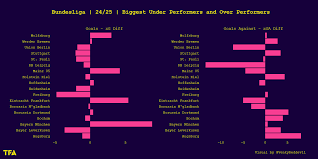
League statistics for 2024/25 highlight several teams whose matches naturally sit at the higher end of the corner spectrum. Bayern Munich lead the league in total corners taken with around 220 over the season, while Bayer Leverkusen and Borussia Dortmund follow closely behind, reflecting sustained territorial dominance and frequent wide entries into the final third. External aggregators also show clubs like RB Leipzig and Union Berlin near the top of “most corners per game” tables, confirming that their games regularly pass the typical nine-to-ten-corner band.
| Team | Corners focus (2024/25) |
| Bayern Munich | Most corners in the league, consistent high pressing and wide overloads. |
| Bayer Leverkusen | Among the top for corners, attacking with sustained possession. |
| Borussia Dortmund | High corner counts from aggressive attacking phases. |
| RB Leipzig | Very high total corners per match, both for and against. |
| Union Berlin | Strong contributor to games with many corners. |
For over-corner bettors, these names are important because they anchor one side of the matchup toward higher totals on their own. When a high-corner team meets an opponent that either concedes many corners under pressure or plays with similar attacking intensity, the combined effect often justifies lines above the league average, provided the odds do not already fully price in that elevated expectation.
2024/25 Clubs That Drag Corner Counts Down
At the opposite end of the spectrum, a different group of sides tends to keep corner totals restrained. Data from corner-specific dashboards indicate that some mid-table and possession-oriented teams see notably fewer corners in their matches compared with the league norm, often because they avoid repeatedly funnelling play into wide crossing zones. For example, Eintracht Frankfurt’s games in the following 2025/26 season average the lowest combined corners in the league, and that pattern emerges from the interplay of controlled tempo and limited speculative crossing rather than from poor attacking quality alone.
These tendencies show why under-corner angles can be sensible when low-corner-profile sides face each other. If both teams prefer compact shapes, patient buildup and central combinations, the ball spends less time bouncing around the penalty area and more time in midfield, reducing the number of blocks, deflections and emergency clearances that typically produce corners.
Tactical Mechanisms Behind High and Low Corner Games
A match’s corner total is governed by mechanisms that operate long before the ball reaches the byline. High-pressing teams force hurried clearances; direct, cross-heavy attacks aim relentlessly at the box from wide zones; and late-game “siege” situations generate rapid sequences of blocked shots and deflected crosses, all of which push corner counts upward. In contrast, build-up structures that funnel attacks through half-spaces and central zones, or counter-attacking plans that seek clean one-on-ones and cut-backs instead of early crosses, naturally reduce corner creation and keep overall totals lower.
Situational Factors That Shift Corner Expectations
Some conditions can flip a team’s usual corner profile for a specific match without changing its core identity. A strong favourite that falls behind early may flood the box with crosses, dramatically increasing corners as defenders block and scramble to clear repeated deliveries, whereas a team protecting a narrow late lead may shift to conservative defending, conceding territory but also blocking more balls behind. Weather, pitch conditions and referee tendencies can also subtly influence how often attacks end in corners instead of shots on target or throw-ins.
Using UFABET Corner Lines as a Market Signal
Once team and situational tendencies are clear, the next step is comparing them with how corner lines are actually set. Different betting setups calibrate those numbers using a mix of historical stats and current narratives, which means lines can sometimes lag behind tactical shifts, injuries or changing roles that directly affect crossing volume and territorial dominance. When pre-match research on Bayern or Leipzig suggests a strong case for a game moving well above the standard corner band but the opening totals on ufa168 แจกเครดิตฟรี remain close to the league baseline, that discrepancy hints at a possible misalignment between your model and how the market currently prices the confrontation between playing styles.
When Over/Under Corner Logic Fails
Corner betting strategies break down when they treat past numbers as guarantees rather than as context. A coach’s tactical change can reduce crossing, a key winger’s injury can remove a primary source of wide pressure, and opponents may deliberately adjust to neutralise strong flanks, all of which can push previously high-corner teams back toward average or even below. On the other side, under-corner angles become fragile if one side unexpectedly adopts a direct, high-cross approach to exploit mismatches against small full-backs or during a survival battle where repeated long balls become the main attacking outlet.
Another failure mode arises when market prices fully absorb public statistics. If widely shared data show that a particular club tops the league in corners, bookmakers can respond by lifting standard lines so far that any small edge disappears, leaving you paying a premium simply to back a story everyone already knows. In those cases, insisting on strict over or under positions regardless of price turns structural insight into a neutral or even negative expectation.
Translating casino online Displays into Concrete Corner Bets
Corner markets are often presented as secondary within digital betting menus, yet the way they are displayed still shapes decision-making. Interfaces commonly highlight a few popular lines—over 8.5, 9.5 or 10.5 corners—alongside team-specific and first-half options, encouraging quick selection without much reflection on the underlying mechanisms that generate corners. When navigating a casino online environment during a Bundesliga round, a more rigorous approach is to start from your own projections for teams like Bayern, Leverkusen or Leipzig based on crossing volume, pressing and match state expectations, then compare those projections to the posted totals, selecting only those over or under corner bets where the gap between numbers and odds suggests long-term, repeatable value rather than one-off hunches.
Summary
Studying corner patterns in the 2024/25 Bundesliga is worthwhile because team styles and match contexts consistently push total corners away from the league-wide average. High-intensity, wing-focused sides such as Bayern, Leverkusen, Dortmund and Leipzig naturally create conditions for elevated corner counts, while more controlled, centrally oriented teams pull matches toward lower totals. By tying those tendencies to pricing, watching for tactical shifts and treating over/under corner lines as probability statements rather than entertainment props, bettors can decide when corner markets offer a genuine analytical edge and when they simply mirror what the raw statistics already tell everyone.