

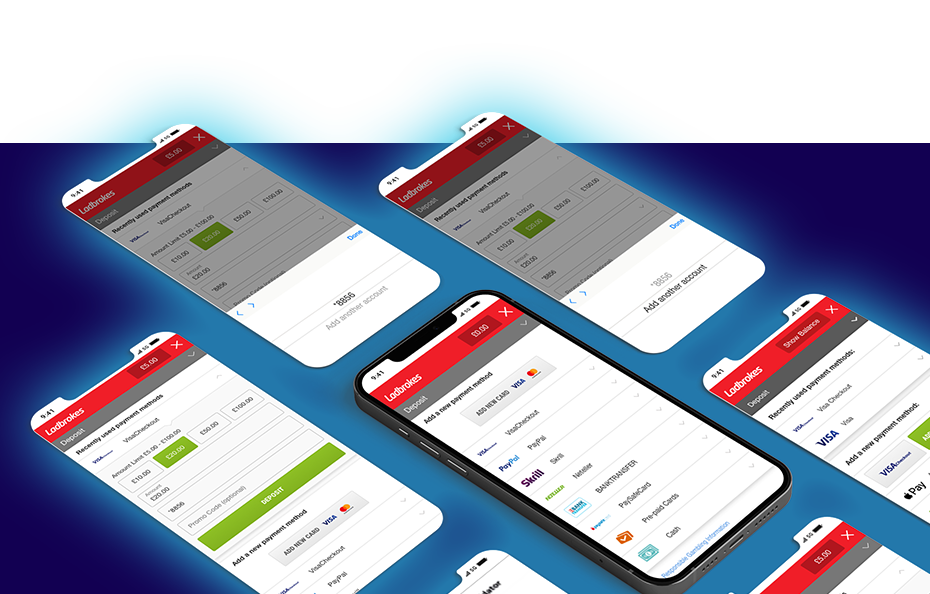
Most mobile betting sessions are short. A user opens the app, scans a match list, checks one or two markets, then closes the screen again. That pattern rewards interfaces that stay steady while data updates. When the lobby shifts during refresh, hides basic context, or drops users back at the top after a back action, the session starts feeling like work.
A well-designed lobby keeps orientation intact. Navigation stays pinned. Match cards keep their positions. Numbers refresh without repainting the entire page. The same labels mean the same thing everywhere, so a user isn’t forced to relearn the UI mid-session. On a phone, this matters because small layout shifts cause wrong taps, and wrong taps are the fastest way to lose trust.
Start with a stable catalog, not a moving screen
The first screen should behave like a calm catalog. Sections appear in a predictable order, and content loads into reserved space, so controls never slide under a thumb. In that, desi bet app works best when it opens into a lobby where match status is obvious, market labels stay short and consistent, and basic account context remains visible without extra taps. If a user opens a market and returns, the list should land at the same scroll position with the same filters still applied. That one detail saves time during live play and prevents frantic re-scanning.
Live updates are expected. Layout reshuffling is not. If odds refresh, the change should happen inside the same rows. If a match status changes, the card should update without jumping above unrelated items. When a market becomes unavailable, a clear disabled state is better than removing the row and shifting the list upward. These small choices keep the session readable when attention is split.
Tap behavior that prevents accidental repeats
On mobile, people tap twice when they aren’t sure the first tap worked. The safest pattern is immediate feedback and a locked control during transitions. If a market screen needs a moment to load, a short progress cue is better than silence. Leaving controls clickable during loading invites duplicate actions, and duplicate actions create messy states that frustrate users.
Tap targets also need spacing for real thumbs. Buttons and market chips should be large enough to hit without precision, especially when users scroll quickly during a live window. The selected state should be obvious, and the back action should behave the same way across screens. Returning from a market should restore the prior list view exactly as it was, not a default screen that forces a reset.
What clean recovery looks like after interruptions
Phone behavior is unpredictable: calls, lock screens, app switching, and sudden connectivity dips are normal. A good lobby handles that without drama. If the phone locks mid-navigation, returning should show the last confirmed state, not a replay that looks like a second attempt. If signal drops briefly, the interface should hold the last confirmed values and show a calm waiting state until updates return. Flashing new numbers and then changing them again immediately creates doubt about what was actually shown.
Recovery also includes scroll position. If a user was halfway down a match list, the lobby should still be there after a quick interruption. Losing place is one of the most annoying mobile issues because it forces rework during a live moment.
Filters and searches that stay predictable
Filters should help users narrow options quickly without changing the whole structure of the lobby. Active filters should be visible. Clearing them should restore the original view without reshuffling unrelated sections. Sorting rules should also remain stable during the session. If a list is ordered by live matches or start time, it should not change unexpectedly unless the user chooses a different sort.
Search is another place where consistency matters. Running the same query twice in the same session should produce the same ordering, not a different set of results that makes the UI feel unreliable. When filters and search behave predictably, users stop treating the lobby like a puzzle and start using it like a tool.
A quick phone test that catches real issues
A short routine on a regular phone can show whether a lobby is built for live use. Open a match from the middle of the list, then go back and confirm the same scroll position and filter state are preserved. Tap a market once and check for immediate feedback plus a locked control during loading. Switch apps for a few seconds, return, and verify the same screen restores. Refresh and watch whether values update in place without rearranging the page.
Why steady lobbies keep sessions clean
The best betting lobbies don’t try to impress with constant movement. They keep sessions organized by staying consistent: stable category order, readable labels, quiet refresh, and recovery that returns to the last confirmed state. Immediate tap feedback and locked transitions prevent duplicate actions. Preserved scroll position saves time. Predictable filters reduce mental load.