

The Rhythm Writers Did Not Know They Missed
There is a reason old films show writers at typewriters rather than at silent glass screens. Typing used to make noise, and that noise did quiet psychological work: it proved you were progressing, filled the pauses between sentences, and gave a long session a rhythm you could settle into. Modern keyboards removed the sound and, with it, some of the pleasure. Many writers describe flat, silent typing as oddly tiring, as if the words cost more effort when nothing answers back. It is hard to prove in a study, but easy to feel within one page of drafting on a dead-quiet laptop in an empty room.
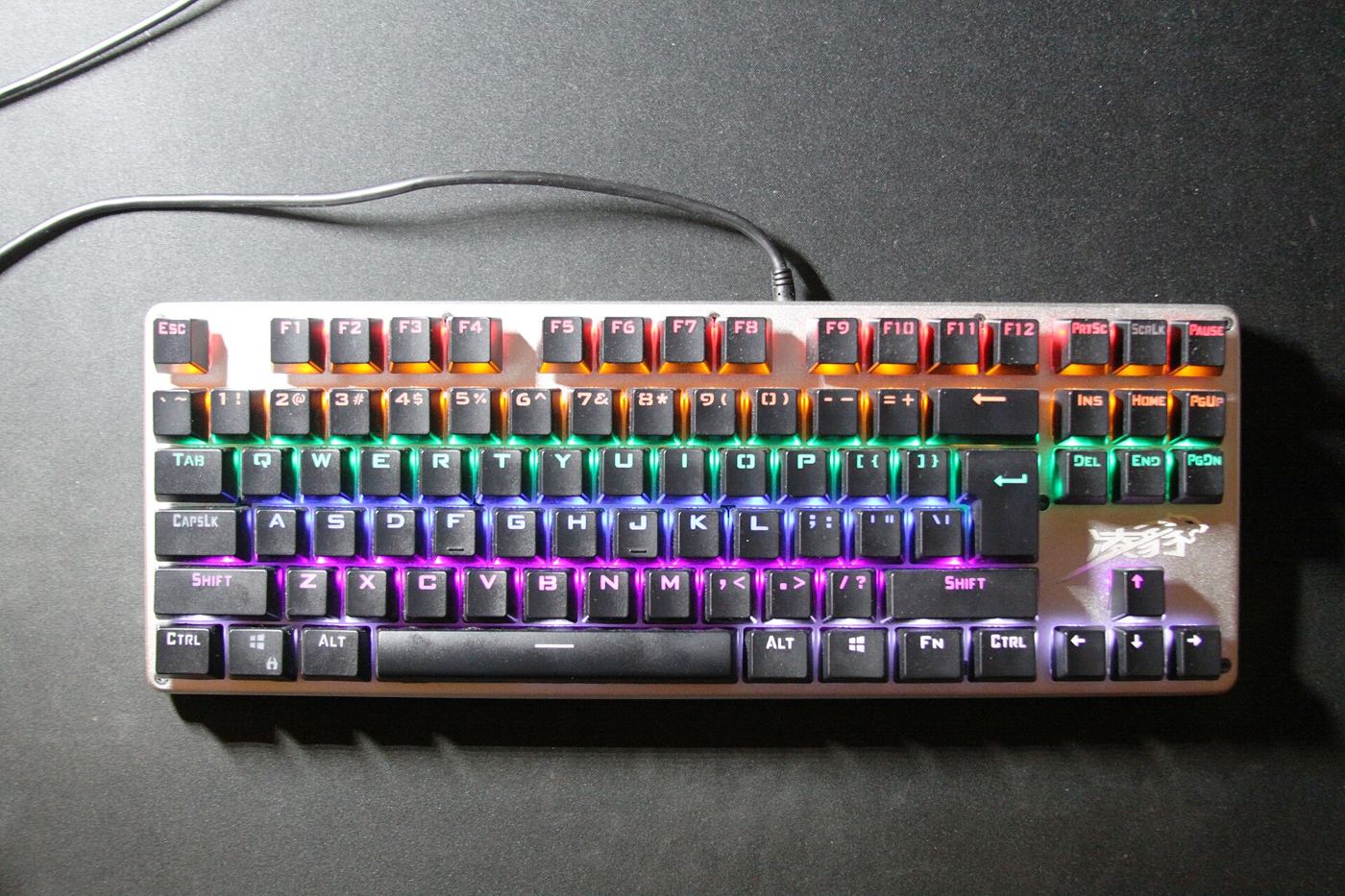
Mechanical keyboards brought some of that back, which is one reason they spread from gaming desks into writers’ studies. But a good board is an investment, it is not portable, and plenty of writers do their best work in cafes, libraries and trains, where a loud keyboard would make them unpopular very quickly. The wish is specific: the sound of a satisfying keyboard, delivered through headphones, on any machine, at whatever volume the room allows, and gone the moment it is not wanted.
Sound Through Software Instead
That wish is what Mechvibes was made for. The programme plays a mechanical keyboard sound for every key you press on your ordinary keyboard, so a silent laptop starts to respond like a classic board. Different keys carry different samples, with weightier sounds for the space bar and enter key, which keeps the illusion intact during fast, uneven typing. It simply runs behind your writing software, whether that is a word processor, a notes app or a browser document, and follows your fingers without asking you to change a single habit or shortcut.
For writers, the interesting part is how the sound changes a session. A steady, responsive clatter makes drafting feel physical again, and many people find it easier to keep going through a difficult middle section when the page is audibly filling up. It also helps mark the difference between thinking time and writing time: the room goes quiet while you think, and comes alive when the words arrive. Set low, it never competes with music or concentration. Set a little higher with headphones on, it can hold a whole morning together, page after page.
Choosing a Sound for the Long Haul
Comfort over distance is the test. Sharper, clickier sound packs feel exciting for ten minutes and exhausting by the second hour, a bit like a pen that is slightly too scratchy. Deeper, softer profiles tend to win for novels, essays and reports, because they sit under your attention instead of pulling at it. It is worth trying a couple of packs on real work rather than judging them from a quick test, since the right choice usually reveals itself somewhere around the fifteen-hundred-word mark, when you realise you have stopped noticing anything except the writing itself.
If your drafts have felt strangely flat lately, the fix may be sitting in your ears rather than under your fingers. The programme, its sound packs and its simple controls are all waiting at mechvibes.org, ready for your next long session. Many novelists now treat their chosen pack the way they treat a favourite notebook: part of the small ritual that gets the words moving each morning.
Related reading: Quantum Sensors Move From Labs Into Industry