

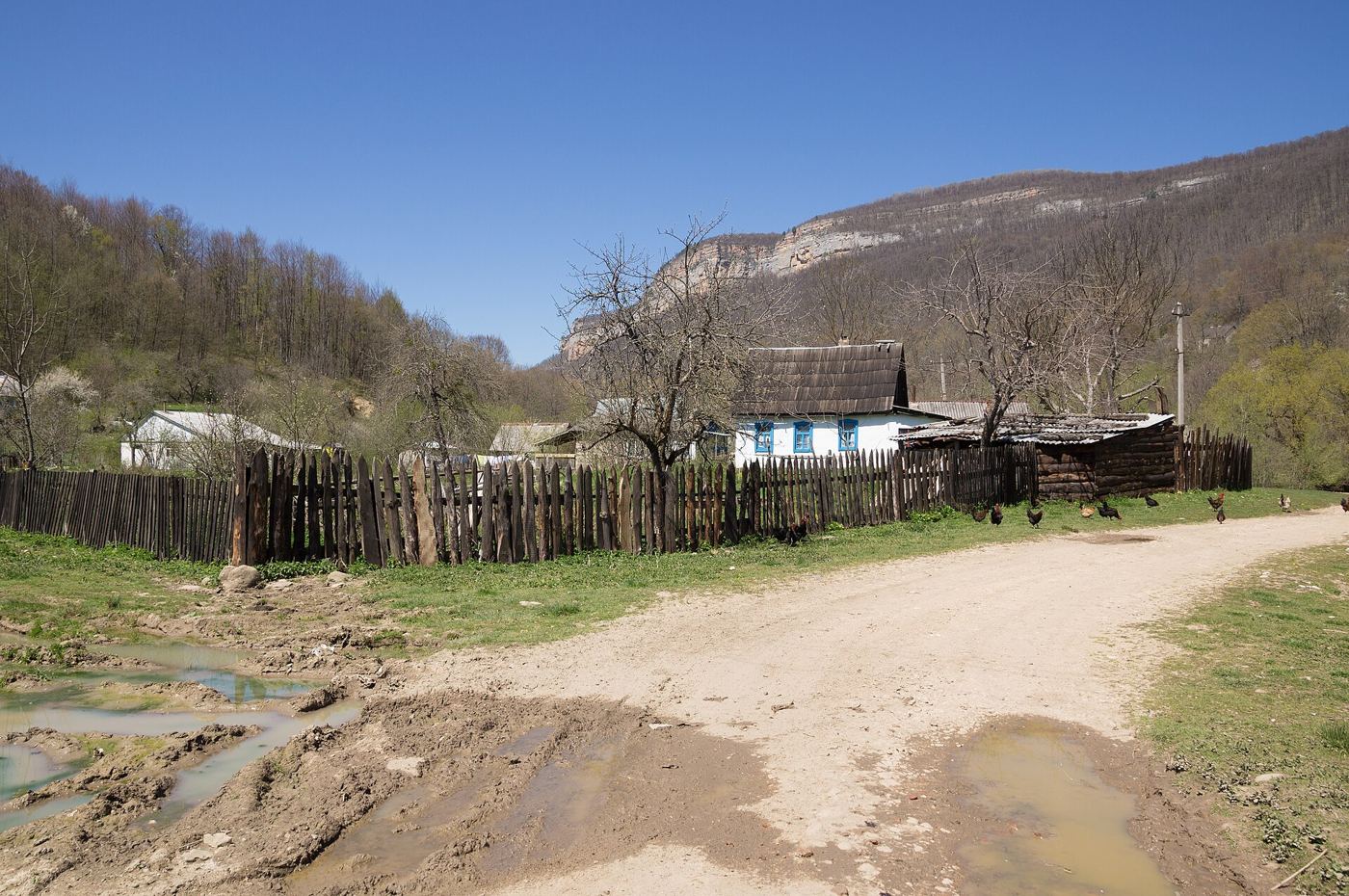
The fields and villages beyond the fibre networks of the cities remain the hardest test of the internet age’s promise that geography should not determine opportunity. Rural broadband programmes are now spending at historic scale to close that gap, after years in which market economics alone left remote communities with connections too slow for a video call, let alone remote work, online schooling or modern farm management.
Why the Last Miles Cost Most
The economics explain the delay. Laying fibre past a farmhouse costs many times more per customer than serving a city street, while the revenue from that customer is identical. Subsidy programmes therefore pay for the difference, typically through competitive tenders that oblige builders to reach specified premises by specified dates. Progress is real but uneven: communities just outside commercial coverage maps can wait years while nearer, cheaper areas are connected first, a sequencing that makes technical sense and political enemies simultaneously.
The technology mix is broadening. Full fibre remains the gold standard for capacity and longevity, but fixed wireless using the newest mobile standards now delivers respectable speeds where terrain defeats trenches, and low-earth-orbit satellite services have transformed the options for the most isolated homes almost overnight. Policy is slowly shifting from prescribing technologies to prescribing outcomes — minimum speeds and reliability however achieved — letting each valley get the solution its geography allows. Further background is available in our news coverage for readers following this story.
Fibre, Fixed Wireless and Satellites
Early evidence from connected areas shows the expected effects compounding. Remote jobs become genuinely available rather than theoretically listed; small firms take card payments and bookings they previously lost; teenagers stop doing homework in car parks outside fast-food outlets, an image that did more to galvanise funding than any white paper. Telehealth appointments, farm sensors and precision machinery all quietly assume connectivity that rural policy is finally treating as a utility rather than a luxury.
The remaining work is the unglamorous kind. Wayleave disputes, pole access, road closures and shortages of trained fibre splicers slow programmes more than money does. Affordability is the second gap: a network passing a home does not help a household that cannot afford the subscription or lacks the skills and devices to use it, which is why digital inclusion funding increasingly travels alongside construction funding. Additional reporting from BBC Technology provides further detail on the background.
Connectivity Is Only the Start
The endpoint, when it arrives, will not announce itself. It will look like a farm video-calling a vet, a village shop trading online and a student submitting coursework from a bedroom — ordinary life, finally indifferent to the postcode it happens in. Closing the last gaps is slow, expensive and mostly invisible, which is precisely why it has taken public money and public patience to do it at all. What happens next depends largely on decisions expected in the coming weeks, which will be reported here as soon as they are confirmed.