

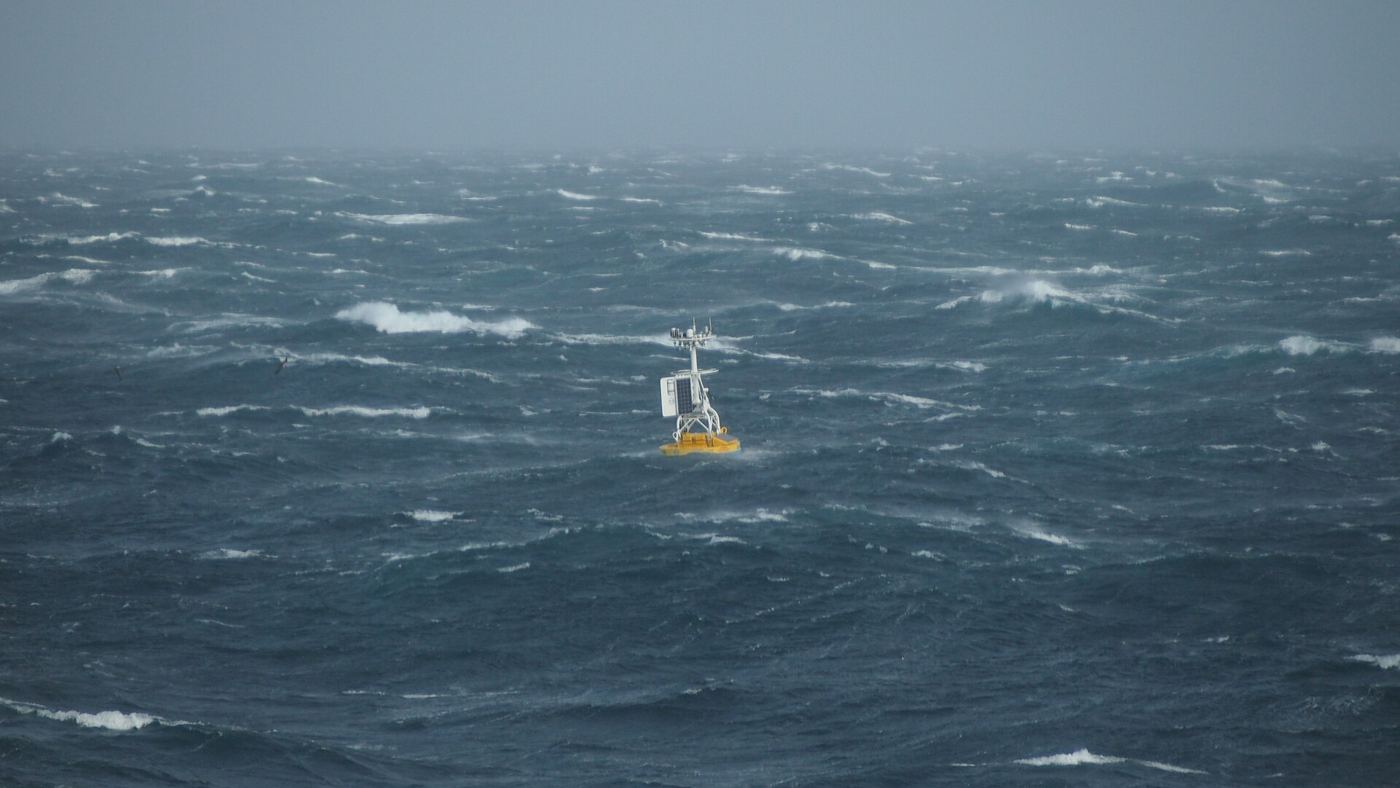
A tsunami is not a single wave but a series of waves that can cross an entire ocean at the speed of a jet aircraft, arriving with little visible warning. On 26 December 2004, a magnitude 9.1 earthquake off the coast of Sumatra generated a tsunami that killed about 228,000 people across fourteen countries, most of whom had never received a warning. In the Indian Ocean that day, no warning system existed at all. The disaster transformed how the world watches the sea. Today, networks of seismometers detect undersea earthquakes within minutes, and a system of deep-ocean sensors called DART, short for Deep-ocean Assessment and Reporting of Tsunamis, measures the pressure change as a wave passes overhead, even when the wave is less than a metre high in deep water. The data travels by satellite to warning centres in Hawaii and Alaska, which issue alerts to threatened coasts.
What the Evidence Shows
The system works in layers, and each layer buys time. Seismometers give the first indication that a tsunami may have been generated, DART buoys confirm that a wave really exists and measure its size, and coastal tide gauges provide final confirmation as it approaches land. Warnings travel through sirens, text alerts, television and radio, and in Japan the meteorological agency can issue a major warning within minutes of a large earthquake. The limits are real: for communities close to the earthquake, the wave may arrive in fifteen minutes or less, too fast for any warning, and the only defence is to run for high ground when the earth shakes. False alarms also carry a cost, eroding trust. But for distant shores, the system has already saved lives, turning what was once a silent catastrophe into a threat that can be seen coming. Reporting and analysis from sources such as NASA track the same developments, and specialists following tsunami warning systems say the direction is now consistent across independent lines of evidence.
The Wider Context
Funding bodies are watching tsunami warning systems closely because the work sits at the junction of basic curiosity and practical return. Grant panels increasingly ask for a path from discovery to application, while researchers push back that the most valuable uses of fundamental science are rarely the ones written into the original proposal. The tension is productive when both sides stay honest about timescales.
What Happens Next
The long view on tsunami warning systems is that fields advance by accumulation rather than by single announcements. This result adds a solid, checkable piece to a structure many teams are building, and its authors have shared their data so the piece can be tested from every side. That is how the picture eventually becomes reliable enough to act on. You can follow related developments in our coverage of science.
It is also worth remembering how quickly the picture in this area has changed before. Positions that looked settled a few years ago have been revised as new data arrived, and the same humility is appropriate now. The strongest coverage of this subject, and the most useful advice, tends to come from sources that update their views openly when the facts move, rather than defending an earlier position long after it has stopped fitting the evidence available.