

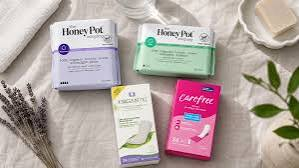
Intimate care products are part of many people’s everyday routines, yet the materials used in these products do not always receive the attention they deserve. From the surface that touches the skin to the absorbent core and protective backing, each component serves a specific purpose.
Panty liners are commonly used to manage light vaginal discharge, occasional spotting, or additional protection alongside other menstrual products. Because they may be worn regularly, consumers often consider material composition, softness, breathability, and fragrance when choosing a product.
Organic cotton has become one option for people who prefer cotton-based materials in their intimate care products. Understanding what the term means, how panty liners are constructed, and what product labels actually tell you can help you make more informed choices for everyday comfort.
What Are Panty Liners and When Are They Used?
Panty liners are thin, absorbent products designed to fit inside underwear. They are generally intended for lighter moisture management rather than absorbing the volume of menstrual fluid associated with heavy flow.
Common uses include:
- Managing everyday vaginal discharge.
- Providing protection during light spotting.
- Offering additional backup alongside a menstrual product.
- Helping manage minor moisture associated with daily activities.
- Providing a convenient option towards the beginning or end of a menstrual cycle.
Vaginal discharge is a normal part of reproductive health and can change in consistency and quantity throughout the menstrual cycle. Not everyone needs to use a liner every day.
For those who choose to wear one, selecting a product that feels comfortable and changing it regularly can help make daily use more manageable. Panty liners should not replace sanitary pads or other products designed for heavier menstrual flow.
Understanding Organic Cotton in Intimate Care
Cotton is a natural plant fibre widely used in clothing and personal care products. Its softness and familiar texture make it an appealing material for products that sit close to the skin.
Organic cotton refers to cotton grown and processed according to applicable organic standards. These standards can cover aspects of agricultural production and processing, depending on the certification involved.
However, an important distinction exists between a product made entirely from organic cotton and one that uses organic cotton in a particular layer.
For example, a panty liner may have an organic cotton top layer while using other materials in its absorbent core and backing. Consumers should check the manufacturer’s product description to understand exactly which components the claim covers.
Why the Top Layer Matters
The top layer is the part of the liner that comes into direct contact with the body. Its texture and construction can influence how the product feels during wear.
Some people prefer cotton-based surfaces because they find them soft and comfortable. Others may have different material preferences based on personal experience.
Organic cotton does not automatically guarantee that a product will be irritation-free. Individual sensitivities, friction, moisture, adhesives, and other components can also affect comfort.
Does Organic Mean Chemical-Free?
No. Organic cotton is still made of naturally occurring chemical compounds, as are all materials. The term generally relates to how the cotton is produced and processed, not the complete absence of chemicals.
If you want to know whether a liner contains added fragrance or uses particular bleaching processes, look for those details separately. Organic certification should not be treated as proof of every other product claim.
What Goes Into a Panty Liner?
A panty liner is made up of several components that work together. Although designs differ between manufacturers, understanding the main layers can help consumers evaluate product information.
1. The Skin-Contact Layer
The skin-contact layer is designed to receive moisture while remaining comfortable against the body.
Depending on the product, it may use cotton, cotton-based materials, or other fibres. When comparing organic panty liners, check whether the manufacturer identifies the top layer as organic cotton and whether the claim applies to the whole product or only that component.
Material descriptions can be more useful than broad phrases such as “natural” or “skin-friendly” because they explain what is actually being used.
2. The Absorbent Core
The absorbent core helps collect and retain moisture. It may contain cellulose-based materials, airlaid absorbent material, or other components selected for their fluid-handling properties.
The core’s purpose is different from that of the top layer. Cotton on the surface does not necessarily mean that the entire absorbent structure is made from cotton.
Consumers who want to understand a product’s composition should review the available details about both the surface material and the absorbent core.
3. The Protective Backing
The backing helps prevent moisture from transferring through the liner onto underwear. Depending on its design, it may also influence flexibility and breathability.
Some liners use a breathable backing intended to balance moisture protection with comfort. However, a breathable design does not guarantee that the skin will remain completely dry under every condition.
Product construction, fit, environmental conditions, and individual use all influence the experience.
4. Adhesive and Release Paper
An adhesive strip helps secure the liner to underwear, while a removable release paper protects the adhesive before use.
The adhesive should allow the liner to stay in place during ordinary movement. If a liner repeatedly shifts, folds, or causes discomfort, its shape or size may not suit the underwear being worn.
Adhesives are separate from the absorbent and skin-contact layers, so the presence of cotton on the surface does not mean every component is made from cotton.
How to Choose Cotton Panty Liners for Everyday Use
Material is only one factor when choosing a panty liner. The product’s size, shape, absorbency, and intended use are equally relevant.
Consider the Shape and Coverage
A liner should fit comfortably within the underwear and provide suitable coverage for its intended purpose.
If it is too narrow, it may not provide the coverage you expect. If it is too large or positioned incorrectly, it may fold or feel uncomfortable during movement.
Look at the product dimensions and design before purchasing, especially if you prefer a discreet liner for everyday wear.
Check for Added Fragrance
Some personal care products contain added fragrance, while others are designed without it.
If scented products have previously caused discomfort, you may prefer a fragrance-free option. Review the packaging or product description rather than assuming that a cotton-based liner is automatically fragrance-free.
Fragrance-free products can still cause irritation in some people, so personal tolerance matters.
Choose the Right Absorbency
Panty liners are intended for light moisture management. They are not designed to handle every level of menstrual flow.
For heavier bleeding, use a menstrual product intended for that purpose and change it according to its instructions. A liner may be useful as additional protection with another product, but it should not be relied upon as a substitute for a high-absorbency pad.
Consider Comfort During Wear
A liner’s surface, shape, adhesive, and moisture-handling properties can all affect comfort.
If you experience discomfort, consider whether the product fits properly, whether it contains fragrance, and how frequently you change it. Wearing a liner continuously is not necessary for everyone.
The right choice is the one that meets your practical needs without causing unnecessary discomfort.
Are Organic Cotton Panty Liners Better for Sensitive Skin?
People who experience irritation from certain personal care products may look for cotton-based or fragrance-free alternatives. A softer surface may feel more comfortable for some users, but there is no universal material that works best for everyone.
Sensitivity can be influenced by several factors, including friction, prolonged moisture, adhesive components, fragrances, and existing skin conditions.
When evaluating products marketed for sensitive skin, consider:
- The material used in the skin-contact layer.
- Whether added fragrance is present.
- What the manufacturer says about testing.
- Whether the liner fits securely without rubbing.
- Whether discomfort improves after changing products.
Terms such as “hypoallergenic,” “rash-free,” and “dermatologically tested” should be interpreted within their stated scope. They do not guarantee that every individual will tolerate the product without irritation.
If itching, burning, redness, or soreness persists, stop using the suspected product and consider seeking medical advice. Unusual discharge, a strong change in odour, or other persistent symptoms may also warrant assessment by a healthcare professional.
Understanding Product Labels and Manufacturing Claims
Intimate care packaging often uses terms such as “organic,” “natural,” “plant-based,” “chlorine-free,” and “eco-friendly.” Although these phrases can provide useful information, they describe different characteristics.
Organic
This generally refers to production and processing standards for a particular material. Check whether the claim applies to the cotton layer or the complete product.
Plant-Based
This indicates that one or more components come from plant-derived sources. It does not necessarily mean that every layer is plant-based.
Chlorine-Free
This is a claim about a particular processing method or the absence of chlorine in the specified context. Look for a clear explanation of what the manufacturer means and which components it covers.
Dermatologically Tested
This indicates that testing involving skin-related assessments has been conducted, but the exact meaning depends on the test. It is not a guarantee that irritation is impossible.
Eco-Friendly
This is a broad environmental claim. To evaluate it, look for specific information about materials, production, packaging, and disposal rather than assuming that organic cotton automatically makes the entire product environmentally preferable.
The more precisely a manufacturer explains these claims, the easier it is for consumers to compare products meaningfully.
Exploring Flawsome’s Organic Cotton Panty Liners
For consumers interested in cotton-based options for everyday intimate care, Flawsome offers 100% Organic Cotton Panty Liners.
The product page describes the liners as suitable for everyday use and lists pack options in different quantities. The product information also identifies an organic cotton-based top layer, an absorbent core, and a breathable protective backing.
These details can help consumers understand the product’s construction and decide whether its design matches their preferences. The page also makes claims about skin comfort and material processing; shoppers should review the current product description to understand which components those claims cover.
As with any panty liner, suitability depends on individual needs and comfort. The product should be used for its intended purpose, changed regularly, and disposed of according to the manufacturer’s instructions. It should not be flushed unless the product explicitly states that it is designed for flushing.
Everyday Hygiene Habits That Complement Product Choice
Choosing a suitable liner is only one part of an everyday intimate care routine. Simple habits can also support comfort.
Change liners regularly. Replace a liner when it becomes damp, soiled, or uncomfortable. Follow the product instructions and avoid wearing the same liner for unnecessarily long periods.
Keep cleansing gentle. The external intimate area generally does not require fragranced washes or deodorising products. Avoid scrubbing and internal washing, which can cause irritation or disrupt the vagina’s natural environment.
Wear comfortable underwear. Clothing and underwear that fit properly can help reduce unnecessary friction.
Pay attention to changes. Normal vaginal discharge can vary throughout the cycle. However, persistent itching, burning, unusual odour, or an unexpected change in discharge may require medical advice.
Use products for their intended purpose. Panty liners are designed for light moisture management, not heavy menstrual bleeding. Choose an appropriate menstrual product when more absorbency is needed.
These practices help keep product selection grounded in comfort, appropriate use, and individual needs.
What About the Environmental Impact of Organic Materials?
Organic cotton can appeal to consumers who want to understand how the materials in their personal care products are sourced. However, evaluating the environmental impact of a disposable liner requires looking beyond the top layer.
The absorbent core, protective backing, adhesive, packaging, manufacturing process, and disposal method all contribute to the product’s overall footprint.
A liner containing organic cotton is not automatically biodegradable or compostable in its entirety. Those claims depend on the complete material composition and the conditions under which the product is designed to break down.
Consumers who prioritise environmental considerations can look for specific information about certifications, material sourcing, packaging, and disposal. They should also avoid flushing liners, as they can contribute to plumbing blockages and are generally intended for disposal in a waste bin.
Conclusion
Understanding the materials in everyday intimate care products can help consumers make more informed decisions about comfort, composition, and use.
Organic cotton is one material option for panty liners, but it is important to understand which layer contains it and what other components are present. The top sheet, absorbent core, backing, and adhesive each serve a different purpose, so a single label rarely tells the complete story.
When comparing cotton panty liners, look at material descriptions, fit, absorbency, fragrance information, and disposal instructions. Treat broad claims about skin comfort or sustainability as starting points for further evaluation rather than guarantees.
The best intimate care routine is one that fits your needs, uses products appropriately, and prioritises comfort without creating unnecessary complexity. By understanding what goes into a panty liner, you can choose products with greater confidence and clarity.