

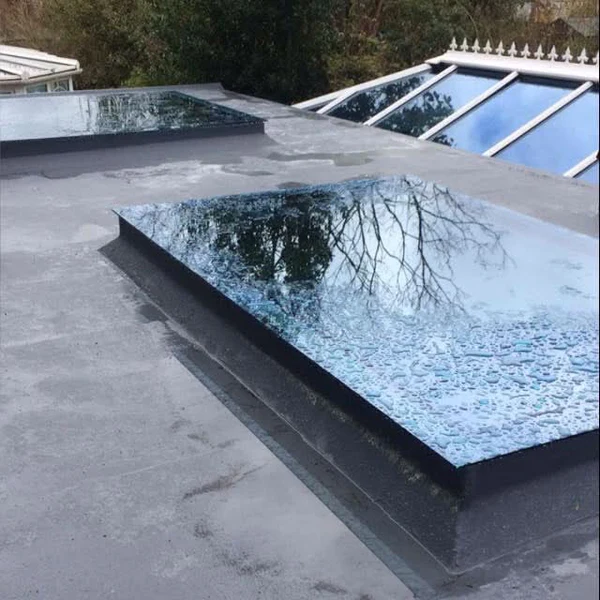
Natural light has become one of the most important elements in contemporary architecture and building design. Whether in residential homes, commercial developments, educational facilities, or hospitality venues, property owners and architects are increasingly looking for ways to create brighter, healthier, and more energy-efficient spaces. One solution that has gained significant popularity in recent years is the fixed flat glass rooflight.
Combining sleek aesthetics with outstanding performance, a fixed flat glass rooflight offers an elegant way to introduce natural daylight into interior spaces. Unlike traditional windows, rooflights capture sunlight from above, allowing significantly more light to enter a room while creating a sense of openness and connection with the outdoors.
As modern building standards continue to emphasize sustainability, energy efficiency, and occupant wellbeing, the demand for fixed flat glass rooflight systems continues to grow. This article explores their features, benefits, applications, industry trends, and key considerations when selecting the right rooflight for your project.
What Is a Fixed Flat Glass Rooflight?
A fixed flat glass rooflight is a non-opening glazed unit installed into a flat or low-pitched roof structure. Designed primarily to maximize natural daylight, these rooflights remain permanently sealed and do not provide ventilation.
Unlike domed rooflights, a fixed flat glass rooflight features a sleek, contemporary appearance with a flat glass surface that integrates seamlessly into modern architectural designs.
Typically constructed using toughened and laminated safety glass, these rooflights are engineered to provide excellent durability, weather resistance, and thermal performance.
A fixed flat glass rooflight is commonly installed in:
- Residential extensions
- Open-plan living spaces
- Commercial buildings
- Office developments
- Educational facilities
- Retail environments
- Hospitality venues
- Healthcare buildings
Their minimalist design and functional advantages make them a preferred choice for architects and property developers.
Why Fixed Flat Glass Rooflight Systems Are Increasingly Popular
Several factors have contributed to the growing demand for fixed flat glass rooflight installations.
Contemporary Architectural Design
Modern architecture often prioritizes clean lines, simplicity, and large areas of glazing. A fixed flat glass rooflight complements these design principles perfectly.
Its frameless appearance and unobtrusive profile create a sophisticated aesthetic that enhances both interior and exterior spaces.
Increased Focus on Natural Light
Natural daylight has become a key consideration in building design due to its positive impact on wellbeing, productivity, and energy efficiency.
A fixed flat glass rooflight allows sunlight to penetrate deep into a building, transforming dark or enclosed spaces into bright and inviting environments.
Energy Efficiency Requirements
With rising energy costs and stricter building regulations, property owners are seeking solutions that improve efficiency.
Modern fixed flat glass rooflight systems are designed with advanced glazing technologies that help reduce heat loss while maximizing daylight transmission.
Growing Demand for Home Extensions
Many homeowners are extending their properties rather than moving. Flat roof extensions have become especially popular, and a fixed flat glass rooflight is often the preferred daylighting solution for these projects.
The Key Benefits of a Fixed Flat Glass Rooflight
Maximizes Natural Daylight
Perhaps the most significant advantage of a fixed flat glass rooflight is its ability to introduce large amounts of natural light into interior spaces.
Because rooflights receive sunlight directly from above, they often provide more daylight than traditional vertical windows of a similar size.
For example, a kitchen extension with a fixed flat glass rooflight can feel dramatically brighter and more spacious throughout the day.
Creates a Sense of Space
Natural light has a powerful effect on how people perceive interior environments.
A fixed flat glass rooflight can make even relatively small rooms feel larger, more open, and more welcoming. This effect is particularly beneficial in extensions, hallways, and central areas of a building where access to external walls may be limited.
Improves Energy Efficiency
By increasing natural daylight levels, a fixed flat glass rooflight reduces the need for artificial lighting during daytime hours.
High-performance glazing also helps improve insulation, reducing heating and cooling demands and contributing to lower energy bills.
Enhances Property Value
Properties with high-quality architectural features often attract greater interest from buyers and tenants.
A well-designed fixed flat glass rooflight can increase both aesthetic appeal and market value by creating bright, modern living or working environments.
Low Maintenance Requirements
Because a fixed flat glass rooflight contains no opening mechanisms, it generally requires less maintenance than ventilated alternatives.
Its simple construction minimizes potential wear and tear while providing long-term reliability.
How a Fixed Flat Glass Rooflight Supports Sustainable Building Design
Sustainability is now a major consideration across the construction industry.
A fixed flat glass rooflight contributes to environmentally responsible building design in several ways.
Reduced Electricity Consumption
Increased daylight penetration decreases reliance on electric lighting, lowering energy usage throughout the day.
Improved Thermal Performance
Modern glazing systems include advanced technologies such as:
- Low-emissivity coatings
- Argon gas-filled cavities
- Thermal break frames
- Solar control glass
These features help maintain indoor comfort while reducing energy consumption.
Long Product Lifespan
A high-quality fixed flat glass rooflight can provide decades of reliable performance, reducing the need for replacement and minimizing waste.
Applications of Fixed Flat Glass Rooflight Systems
Residential Extensions
One of the most common applications for a fixed flat glass rooflight is within flat roof home extensions.
Homeowners frequently install rooflights in:
- Kitchen extensions
- Dining areas
- Family rooms
- Open-plan living spaces
The result is a brighter and more inviting living environment.
Office Buildings
Commercial office spaces benefit greatly from natural daylight.
A fixed flat glass rooflight can improve employee wellbeing, increase productivity, and reduce lighting costs while creating a more attractive workplace.
Retail Spaces
Retailers often use rooflights to enhance customer experiences and improve product visibility.
Natural light can create a welcoming atmosphere that encourages longer customer visits and greater engagement with merchandise.
Educational Facilities
Schools, colleges, and universities increasingly prioritize daylight-rich learning environments.
A fixed flat glass rooflight can help create brighter classrooms, libraries, and communal spaces that support student wellbeing and concentration.
Hospitality Venues
Hotels, restaurants, and event venues use rooflights to create visually impressive interiors.
The addition of a fixed flat glass rooflight can transform dining spaces, reception areas, and lounges by introducing natural light and architectural interest.
Important Features to Consider
Glazing Specification
The performance of a fixed flat glass rooflight depends heavily on the glazing system.
Consider factors such as:
- Double glazing
- Triple glazing
- Solar control coatings
- Acoustic performance
- Thermal insulation
Selecting the appropriate specification ensures optimal performance for your project.
Safety Glass
Roof glazing must meet strict safety requirements.
Most fixed flat glass rooflight systems use toughened external panes combined with laminated internal panes for maximum safety and durability.
Frame Construction
The frame plays an important role in thermal performance and structural stability.
High-quality aluminium frames with thermal breaks are commonly used to improve energy efficiency while maintaining a slim, modern appearance.
Size and Configuration
A fixed flat glass rooflight can be manufactured in a wide range of sizes.
Large bespoke rooflights can create dramatic visual effects, while smaller units may be more appropriate for compact spaces.
Industry Trends Shaping the Future of Fixed Flat Glass Rooflight Design
Minimalist Architecture
Architects continue to favor clean, uncluttered designs.
This trend has increased demand for frameless and slim-profile fixed flat glass rooflight systems.
Higher Energy Standards
As regulations become stricter, manufacturers are developing increasingly efficient glazing technologies.
Future rooflights are expected to deliver even greater thermal performance while maintaining excellent light transmission.
Smart Building Integration
Although a fixed flat glass rooflight does not open, future designs may incorporate integrated sensors that monitor daylight levels and interact with building management systems.
Sustainable Construction Materials
Manufacturers are investing in environmentally responsible production methods and recyclable materials to reduce environmental impact.
Practical Example: Residential Kitchen Extension
A family decides to extend their home with a modern open-plan kitchen and dining area.
The extension features a flat roof structure, and the design team recommends installing a large fixed flat glass rooflight.
The results include:
- Increased natural daylight
- Reduced need for artificial lighting
- Enhanced visual appeal
- Improved property value
- A stronger connection to outdoor surroundings
The rooflight becomes the focal point of the entire extension.
Practical Example: Commercial Office Refurbishment
A company refurbishes its office headquarters to improve employee wellbeing and energy performance.
Several fixed flat glass rooflight units are installed above collaborative workspaces and meeting rooms.
The project delivers:
- Brighter working environments
- Lower lighting costs
- Improved employee satisfaction
- Enhanced workplace aesthetics
- Better utilization of interior spaces
The refurbishment demonstrates how rooflights can positively influence workplace design.
Common Misconceptions About Fixed Flat Glass Rooflights
They Cause Excessive Heat Loss
Modern fixed flat glass rooflight systems are engineered with highly efficient glazing technologies that significantly reduce heat transfer.
They Are Difficult to Maintain
Most units require only occasional cleaning and routine inspections, making maintenance relatively straightforward.
They Are Suitable Only for Homes
While residential applications are common, fixed flat glass rooflight systems are widely used in commercial, educational, healthcare, and hospitality projects.
They Are Prone to Leaks
Properly manufactured and professionally installed rooflights provide excellent weather resistance and long-term reliability.
Choosing the Right Fixed Flat Glass Rooflight Supplier
Selecting the right supplier is critical to project success.
Look for providers that offer:
- Proven industry experience
- High-quality glazing systems
- Product certifications
- Technical support
- Custom design options
- Comprehensive warranties
An experienced supplier can help ensure the rooflight meets performance requirements while complementing the overall design of the building.
Conclusion
A fixed flat glass rooflight is one of the most effective ways to introduce natural daylight into modern buildings while enhancing aesthetics, energy efficiency, and occupant comfort. Its sleek appearance, low maintenance requirements, and exceptional daylighting performance make it a popular choice for residential, commercial, educational, and hospitality projects. As architectural trends continue to prioritize sustainability and wellbeing, the demand for fixed flat glass rooflight solutions is expected to grow even further. By selecting a high-quality product and working with experienced professionals, property owners can enjoy long-term benefits that improve both the functionality and value of their buildings. For expert guidance and tailored rooflight solutions for your next project, contact us.