

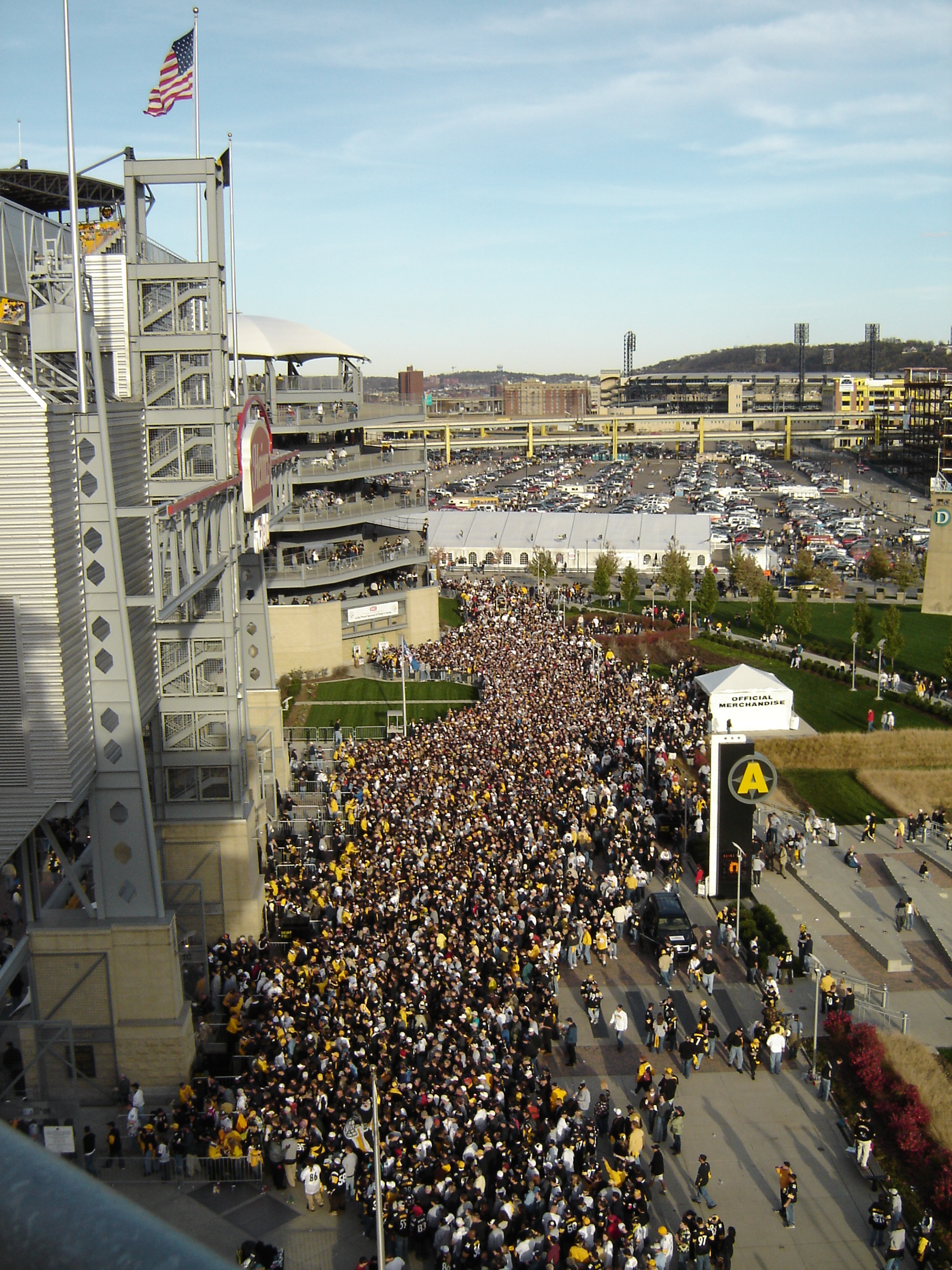
No division in football rewards a casual glance less than the NFC North. Green Bay, Detroit, Chicago and Minnesota have spent the season trading places, and the standings are now tight enough that the order can flip on a single Sunday, or on a tiebreaker nobody outside the division office has memorised. That is what makes this race the most compelling in the league: four rosters built to beat each other, a schedule that keeps pairing them together, and a playoff picture in which the division title may be worth far more than a wild card seat. Here is how the race actually works, and what the next month decides. More sports analysis lives in our blog section.
Who leads, and why it is fragile
The leader’s advantage in the NFC North this season has been real but thin: a game, sometimes half a game, with head-to-head results doing quiet work underneath. In a division this balanced, the top spot has tended to belong to whichever team is healthiest at quarterback and offensive line in a given month, rather than to a clearly superior roster. That fragility matters for January. The division winner hosts a playoff game; the runners-up may travel to a warmer, louder stadium despite a similar record. Everyone in the building understands the arithmetic, which is why late-season divisional games in the North are coached like playoff games, fourth downs, trick plays and all.
The tiebreakers that decide everything
When teams finish level, the NFL’s tiebreaking ladder takes over, and the official procedures are published by the league at NFL.com. For division rivals, the order starts with head-to-head results, then record within the division, then record against common opponents, then conference record, then strength of victory. Two consequences follow. First, every divisional game is effectively worth double: a win improves your record and damages a rival’s tiebreaker profile in one afternoon. Second, a team that swept its nearest rival can lose the top spot on wins and still hold the stronger hand, a fact coaches track from October onwards. Fans who only watch the win column are missing half the table.
The contenders, honestly assessed
Detroit’s identity remains the division’s most physical: an offensive line that can take over fourth quarters and a defence that feeds on obvious passing downs. Green Bay’s challenge is consistency; at their best the Packers look like the most complete team in the North, but dropped games against beatable opponents are exactly what tiebreakers punish. Chicago’s rise has been built on defensive takeaways and an improving young core, the profile of a team nobody wants to host in January. Minnesota, meanwhile, has survived on coaching and situational football, winning the close games that decide divisions, while fighting the injury luck that has shaped their season. Any honest ranking of these four has changed at least twice already this year, and will change again.
What the next month decides
The run-in is loaded with head-to-head fixtures, which is the league’s design working as intended. Three questions will settle it. Can the leader protect its divisional record, or does one bad afternoon undo a season of tiebreaker work? Which contender gets its injured starters back for the final stretch, rather than for a meaningless last week? And who survives the non-divisional traps, the road trips to motivated spoilers with nothing to lose? Strength of schedule slightly favours the team that front-loaded its hardest fixtures, but in this division, that has been a weak predictor all season.
The safest prediction is the oldest one: the NFC North will be won by the team that wins its divisional games in December. Everything else, the tiebreakers, the common opponents, the conference record, is tiebreaker arithmetic built on top of that simple fact. Keep up with the race, and everything else we publish, on our homepage.