

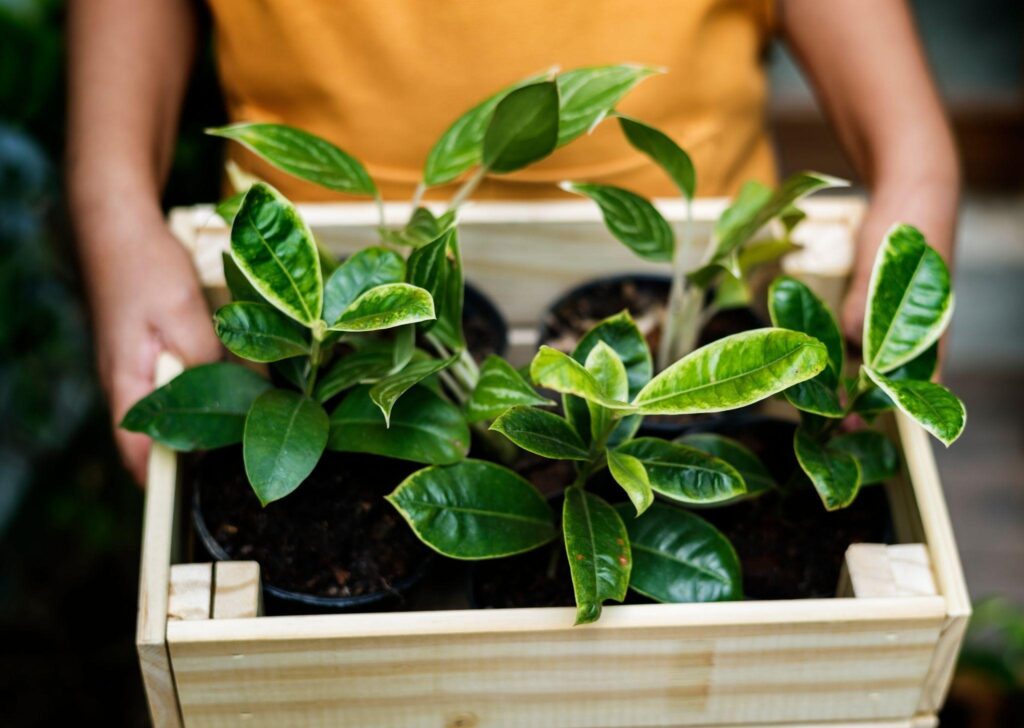
When people think about relocating to a new home, most of the planning attention goes toward packing up the kitchen, bedrooms, and living areas. Garden tools, pots, outdoor furniture, and plants are often an afterthought—tackled in a rush the night before the move, or worse, left behind entirely. Yet outdoor items can be some of the trickiest possessions to transport safely, given their awkward shapes, fragility, and sheer bulk. Taking the time to properly prepare for moving your garden and outdoor spaces can save you from damaged furniture, dead plants, and unnecessary stress on moving day.
Start Early and Make a Plan
Outdoor preparation should begin weeks before your move, not days. Walk around your garden, patio, and outdoor storage areas and make a full inventory of everything that needs to be moved. This includes obvious items like furniture and pots, but also easily forgotten things such as garden hoses, hanging baskets, solar lights, bird feeders, and tools stored in sheds or garages.
Once you have your inventory, decide what’s actually worth moving. Large, well-established plants may not survive the journey, particularly over long distances or in extreme heat. Some garden ornaments or worn-out furniture might be better sold, donated, or replaced at your new home rather than transported. Being selective early on reduces the workload and the cost of your move.
Sorting and Downsizing Outdoor Items
Just like decluttering indoors, outdoor spaces benefit enormously from a good sort-through before packing begins. Separate items into categories: keep, sell, donate, and discard. Rusted tools, broken pots, and half-empty bags of fertiliser or potting mix are prime candidates for disposal, since transporting chemicals and garden treatments can be restricted by removalist companies for safety reasons.
If you have a green thumb and a large collection of plants, consider giving cuttings or smaller potted plants to friends and neighbours rather than trying to move everything. This is especially practical if you’re relocating a significant distance, where plants may struggle to survive extended time in a moving truck.
Preparing Plants for the Move
For plants you do intend to bring along, preparation is key to keeping them alive and healthy. A few weeks before moving day, prune back overgrown plants to make them more compact and manageable. Water plants a day or two before the move—not immediately before, as overly wet soil is heavier and messier to transport.
Smaller potted plants should be placed in sturdy boxes with dividers to prevent them from tipping over during transit. Line the bottom of the box with a plastic sheet to catch any soil spillage. Larger plants may need to be moved separately in your own vehicle, especially if the moving truck’s schedule doesn’t align with the delicate handling plants require, particularly during Cairns’ hot and humid conditions.
Cleaning and Disassembling Outdoor Furniture
Outdoor furniture often accumulates dirt, grime, and rust over time, so give everything a thorough clean before packing. This not only makes your furniture more pleasant to unpack at your new home but also prevents dirt from transferring onto other belongings during transport.
Where possible, disassemble larger furniture pieces such as patio sets, umbrellas, and trampolines. Store all screws, bolts, and small parts in labelled zip-lock bags taped securely to the furniture itself, so nothing goes missing between properties. Wrap glass tabletops and fragile decorative pieces in bubble wrap or moving blankets to prevent scratches and breakages.
Handling Tools and Equipment Safely
Garden tools like rakes, shovels, and pruning shears have sharp edges and awkward shapes that require careful packing. Bundle long-handled tools together with tape or rope, and wrap the sharp ends in cardboard or old towels to prevent injury during loading and unloading. Power tools such as lawnmowers and hedge trimmers should have fuel drained beforehand, as most removal companies won’t transport items containing flammable liquids.
Dealing with Sheds and Storage Areas
Sheds often become a dumping ground for years of accumulated items, so allow extra time to sort through them properly. Check for old paint tins, chemicals, and flammable materials that need special disposal rather than being loaded onto a moving truck. Once you know what’s staying, box up smaller items and consider whether the shed’s contents need to be inventoried separately for your removalist.
Working With Professional Removalists
A reliable, experienced team can make a significant difference when it comes to moving bulky or delicate outdoor items. Established local companies such as Butler’s Removals & Storage understand how to handle awkward garden furniture, fragile pots, and heavy equipment with appropriate care and the right tools for the job. Discuss your outdoor items with your removalist ahead of time so they can bring suitable packing materials, straps, and vehicle space to accommodate everything safely.
If you’re unsure whether certain items can be transported—such as gas bottles, chemicals, or specific plant species—ask your removalist directly, as regulations can vary depending on the transport route and vehicle type.
Final Thoughts
Outdoor spaces deserve just as much planning attention as the inside of your home when it comes to relocating. By sorting through your belongings early, preparing plants properly, cleaning and disassembling furniture, and enlisting the help of experienced professionals, you can protect your garden investment and arrive at your new home ready to enjoy the outdoors again. When you take the time to prepare for moving thoughtfully, and partner with a trusted team like Butler’s Removals & Storage, even the trickiest outdoor items can make the journey safely and in great condition.