

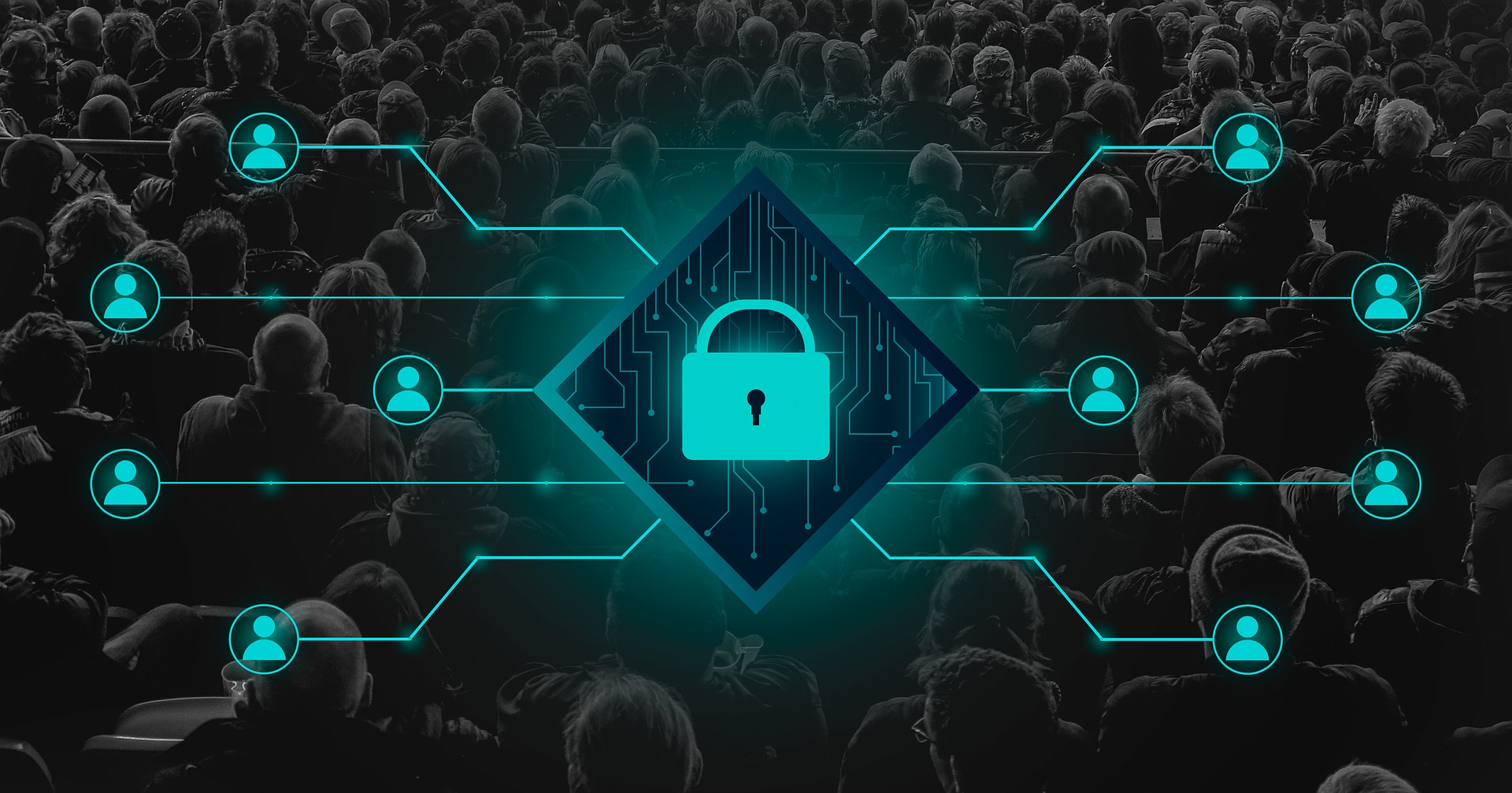
In today’s interconnected world, digital security is more critical than ever. With cyber threats evolving daily—from data breaches and malware to phishing and ransomware, protecting sensitive information has become a top priority for everyone.
Yet many people use the terms “cybersecurity” and “information security” interchangeably, unaware that they have distinct focuses: cybersecurity defends networks and digital assets from online attacks, while information security safeguards all forms of data, both digital and physical.
This guide aims to untangle these concepts by clearly comparing cybersecurity and information security, highlighting their definitions, scopes, and real-world applications.
Whether you’re an individual safeguarding personal accounts, a business protecting customer data, or an IT professional shaping security policies, understanding the difference between cybersecurity and information security is essential for building a robust defense strategy.

What Is Cybersecurity?
Definition: Cybersecurity is the practice of protecting computers, networks, servers, and data from unauthorized access, attacks, or damage. It encompasses policies, procedures, and technologies designed to keep digital assets safe.
Focus: The core goal of cybersecurity is to defend digital systems and the data they process against threats that originate online or through networked connections. This includes safeguarding confidential information, ensuring system availability, and maintaining data integrity.
Key Areas:
- Malware: Software designed to disrupt, damage, or gain unauthorized access to systems.
- Ransomware: A type of malware that encrypts files and demands payment for their release.
- DDoS (Distributed Denial of Service): Attacks that overwhelm a network or service with traffic, causing disruptions.
What Is Information Security?
Definition: Information security (InfoSec) is the practice of protecting all forms of information—whether stored digitally or physically—from unauthorized access, disclosure, alteration, or destruction. It encompasses the policies, procedures, and controls that safeguard data throughout its lifecycle.
Focus: Unlike cybersecurity, which targets digital systems and online threats, InfoSec covers every medium where information exists. This includes paper records, removable media (like USB drives), backup tapes, and even verbal communications. Its goal is to ensure that sensitive data remains secure no matter where it’s stored or how it’s transmitted.
Key Areas (CIA Triad):
- Confidentiality: Ensuring that data is accessible only to those authorized to view it. Measures include encryption, access controls, and secure handling procedures.
- Integrity: Guaranteeing the accuracy and completeness of information. Techniques like checksums, hashing, and audit trails detect and prevent unauthorized changes.
- Availability: Making sure authorized users can access information and resources when needed. This involves redundancy, backups, and disaster-recovery planning to keep systems running reliably.
- Phishing: Fraudulent attempts—often via email—to trick users into revealing credentials or installing malicious software.
Key Differences Between Cybersecurity and Information Security
- Scope: Cybersecurity is a subset of information security. While cybersecurity focuses on threats to networks, computers, and digital data, information security covers both digital and physical data assets, policies, and procedures across an organization.
- Focus Areas and Data Types: Cybersecurity protects online systems, applications, and networks against digital attacks. Information security encompasses those same digital protections plus controls for paper documents, backups, and human processes that govern data handling.
- Threat Types: Cybersecurity addresses malware, hacking, denial-of-service attacks, and phishing. Information security also deals with physical theft, insider misuse, loss of printed records, and unauthorized data disposal alongside digital threats.
Real-World Examples
Example 1: Cyberattack on a Company’s Network
A mid-sized firm falls victim to a sophisticated network breach when attackers exploit an unpatched server vulnerability. Once inside, the hackers deploy ransomware that encrypts critical databases and halts operations. IT staff detect unusual traffic patterns—large file transfers at odd hours—and isolate the affected segments to stop further spread.
Recovery involves restoring backups, applying patches, and strengthening perimeter defenses with intrusion-detection systems. This scenario emphasizes the digital focus of cybersecurity: defending servers, firewalls, and network infrastructure against online threats to maintain uptime and protect sensitive data from malicious actors.
Example 2: Data Breach from Lost Physical Records
A healthcare clinic misplaces a box of paper patient files during an office move. Because the documents contain social security numbers, medical histories, and billing details, the loss triggers a major privacy incident. Unlike digital breaches, this lapse in information security stems from inadequate physical controls—no locked storage, no clear chain of custody, and no document-destruction policy.
The clinic must notify affected patients, face regulatory fines, and overhaul its physical security: installing locked filing cabinets, enforcing “clean desk” rules, and training staff on proper handling of sensitive paper records.
Example 3: Overlap Scenarios
Consider a financial advisor firm that uses both cloud software and paper statements. A phishing email captures employee credentials, allowing hackers to access digital client portfolios (cybersecurity breach). Simultaneously, a misplaced printout of the same accounts in a shared office space exposes paper records (information security lapse).
Here, both digital and physical controls failed: weak email filtering and inadequate document handling. Addressing such overlap demands a unified approach—strengthening network defenses AND implementing strict physical-file policies—to ensure comprehensive protection across all data types.
Why Both Are Important for Businesses
Cybersecurity and information security together form a comprehensive shield that safeguards an organization’s entire information ecosystem. While cybersecurity focuses on defending networks, systems, and applications from online threats like malware, phishing, and hacking, information security extends those protections to include physical media—paper records, removable drives, and the human processes that handle them.
By integrating digital controls such as firewalls, encryption, and intrusion detection with physical safeguards like locked storage, access policies, and secure document disposal, businesses ensure that no vulnerability—online or offline—goes unaddressed. This unified approach helps prevent gaps that could be exploited by attackers seeking either digital or physical entry points.
In today’s regulatory landscape, combining both fields is essential for compliance with standards such as GDPR, HIPAA, and PCI-DSS. These frameworks require organizations to implement technical safeguards (like multi-factor authentication and vulnerability scanning) alongside administrative and physical measures (including record-keeping policies, staff training, and controlled access to sensitive areas).
Conclusion
In today’s digital landscape, cybersecurity and information security share the common goal of protecting valuable data, yet they differ in scope—cybersecurity defends networks and digital assets, while information security covers both digital and physical information. Both disciplines rely on complementary techniques, from firewalls and encryption to access controls and secure document handling, to form a unified defense. Understanding these distinctions and overlaps is crucial for anyone responsible for data protection.
By recognizing where each field applies and how they work together, individuals and organizations can better identify vulnerabilities, comply with regulations, and bolster their overall security posture. Take time now to review your policies, tighten controls across digital and physical domains, and ensure you’re fully equipped to face today’s evolving threats.