


AR (Augmented Reality) and VR (Virtual Reality) are changing how we see and interact with the world. AR adds digital elements to real-life environments, while VR creates a fully virtual world. Both are used in daily life, from games and learning to shopping and work.
This article explains the difference between AR and VR in daily life using simple language. You’ll learn how each one works, where they are used, and which one fits better for certain tasks. Knowing this helps you understand how modern technology shapes your everyday experiences.
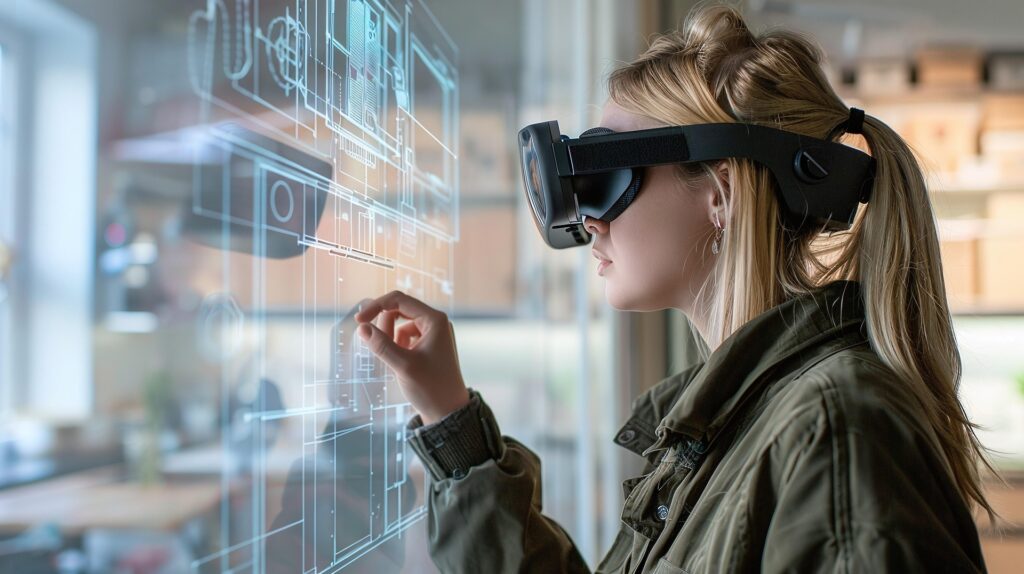
What Is Augmented Reality (AR) and How Does It Work?
Augmented Reality, or AR, adds digital objects to your view of the real world. It uses your phone, tablet, or AR glasses to display text, images, or animations on top of what you see in real life. For example, AR can show directions on the street or place virtual furniture in your room before buying.
AR does not block your real view—it enhances it. In daily life, AR helps in education, shopping, games, and even during travel. It mixes real and digital experiences, making tasks easier, more fun, and more interactive.
What Is Virtual Reality (VR) and How Does It Work?
Virtual Reality, or VR, puts you inside a fully digital world. Using VR headsets, you can enter 3D environments that feel real. You can’t see the real world while using VR—everything you see is computer-made. In daily life, VR is used in games, training, virtual travel, and therapy.
It helps you learn by doing, not just watching. VR gives a deep and focused experience by shutting out distractions. It is great for practicing skills or exploring new places without leaving home. VR makes the digital experience feel real and full.
Core Differences Between AR and VR Technologies
The main difference between AR and VR in daily life is how they change your view. AR adds digital things to the real world—you still see your surroundings. VR replaces everything with a digital world—you only see virtual things. AR is more useful for tasks that need real-world awareness, like walking or shopping.
VR is better for complete focus, like gaming or training. AR needs phones or glasses, while VR needs headsets. Both are useful, but they serve different needs in everyday life. Knowing this helps choose the right tool for the right task.
AR in Daily Life: Real-World Applications and Examples
AR is part of daily life in many ways. When you use a phone app to try on clothes or makeup, that’s AR. Google Maps uses AR to show walking directions on your screen. In classrooms, AR brings books to life with 3D models. In medicine, doctors use AR to plan surgeries.
Retail stores use AR mirrors for virtual try-ons. These are just a few examples of how AR helps every day. AR does not take you away from the real world—it improves how you see and use it.
VR in Daily Life: Where and How It’s Used Today
VR is also used in everyday life, especially in areas where full focus is needed. Many people use VR for gaming, where they feel like they are inside the game. In education, VR lets students explore history, space, or science in 3D.
Job training uses VR to simulate real tasks, like flying or surgery. In healthcare, VR helps people manage pain or stress. Even in real estate, buyers take virtual tours of homes. VR creates deep, life-like experiences that feel real, even if you are sitting in your room.
User Experience: AR vs VR in Everyday Situations
The user experience with AR and VR in daily life is very different. AR is more casual—it adds useful digital tools to your daily tasks. You can use AR while walking, shopping, or learning. It’s simple and does not block your real-world view. VR is immersive—you need full attention and a headset.
You can’t walk around easily, but you get deep interaction. AR feels like a helpful assistant. VR feels like stepping into another world. Both offer unique experiences depending on the need—quick help vs full involvement.
Devices Used in AR and VR: A Quick Comparison
AR and VR use different devices. AR often works on smartphones, tablets, or smart glasses. These show digital content on your screen or in your glasses. You can use AR apps almost anywhere. VR needs a headset like Oculus, PlayStation VR, or Meta Quest.
These headsets cover your eyes and often need controllers. Some VR devices connect to a computer or console for better graphics. In daily life, AR is more portable and easy to access. VR is more powerful for full experiences but needs more setup and space.
Impact of AR and VR on Education, Shopping, and Work
AR and VR are changing education, shopping, and work. AR helps students by showing 3D images and interactive lessons. In shopping, AR lets customers try products before buying. At work, AR guides workers with step-by-step instructions.
VR helps in training—pilots, doctors, and drivers use VR to learn skills safely. It’s also used in virtual meetings and office tours. These tools make learning faster, shopping easier, and jobs safer. In daily life, they save time, improve decisions, and offer better ways to teach, buy, and work.
Which Is More Useful in Daily Life: AR or VR?
Both AR and VR are useful, but AR fits more naturally into daily life. AR works on your phone, needs little setup, and helps with everyday tasks like directions, shopping, and learning. VR is more useful for deep learning, games, or virtual tours—but it needs special equipment and full focus.
If you want quick, helpful tools during your day, AR is the better choice. If you want to escape into a digital world, VR is perfect. The difference between AR and VR in daily life depends on your needs and lifestyle.
Future Outlook: How AR and VR Will Shape Everyday Life
The future of AR and VR in daily life looks exciting. AR will be built into glasses, cars, and phones to make tasks faster and easier. VR will offer better training, deeper games, and virtual spaces to meet or learn. As devices get cheaper and smarter, more people will use them.
AR will be part of daily routines—shopping, learning, and working. VR will grow in areas like health, travel, and entertainment. The difference between AR and VR will stay, but both will improve how we live, connect, and solve problems every day.